What changed, and what it changed for you
When this site began, it was a scrapbook of recipes I’d found online—no testing, no photos, just notes scribbled in the margins. The recipes were good, but they weren’t *mine*, and they didn’t work the way I expected. The site was thin, untrustworthy, and hard to navigate.
Most people left after two clicks.
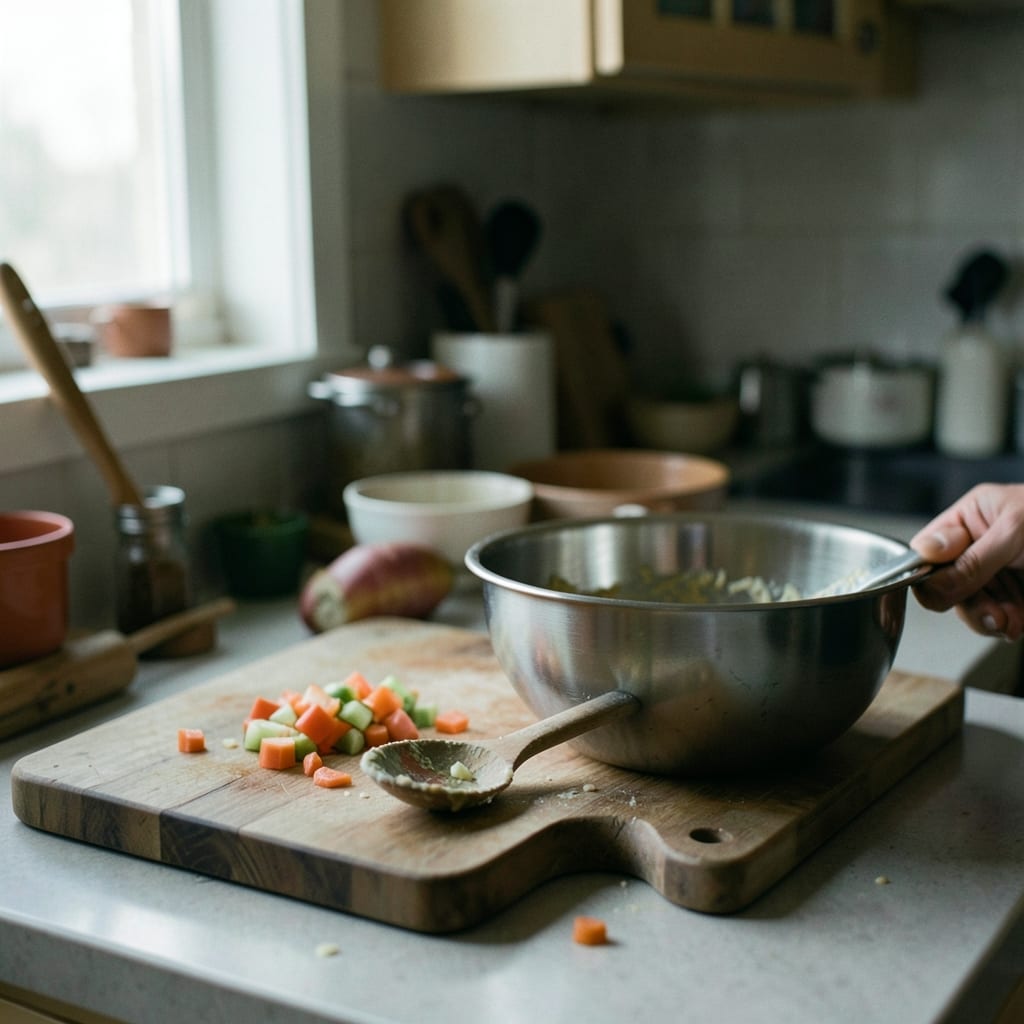
Now, every recipe is built here: tested, adjusted, and written with the assumption that you’re standing in your own kitchen. The structure is tighter, the photos are sharp, and the steps are designed so you can follow along without guessing.
If you’re here, you’ll find what you need—or you’ll know why it’s not possible.
| It used to be | Now it is |
|---|---|
| A list of recipes with no clear system—just what I’d bookmarked. | Grouped by technique (e.g., no-cook salads, baked greens), occasion (weeknight, dinner party), and dietary needs (vegan, gluten-free). |
| Photos taken on a phone propped against a pot, often blurry or poorly lit. | Shot on a dedicated camera with natural light, every ingredient visible and identifiable. |
| Steps written in the order they happened, with assumptions about your tools. | A universal method: gather, prep, assemble, serve—with notes on what you can skip or swap. |
| No way to search or filter—you had to scroll. | Filters for time, ingredients, and cooking method, plus a search that works. |
The one that took years
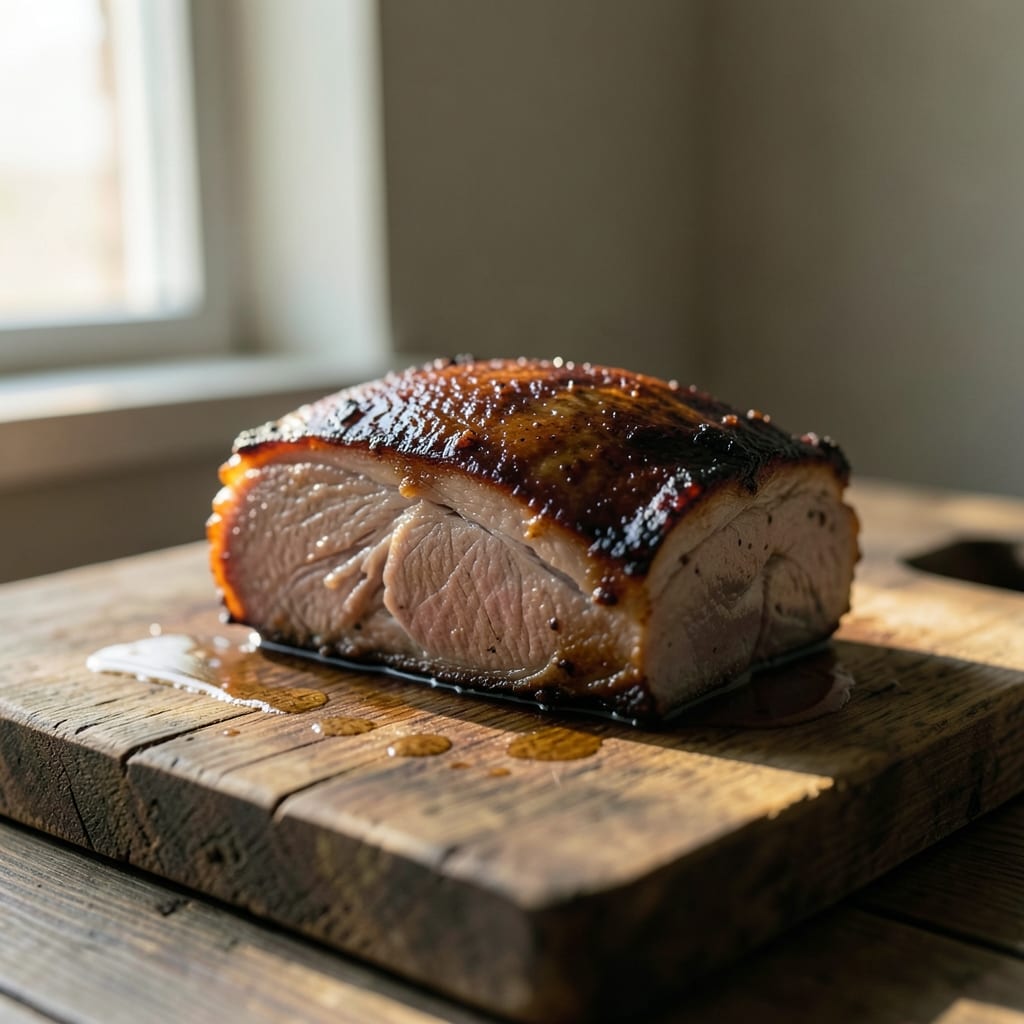
The first big mistake was assuming that if a recipe worked for me, it would work for everyone. I’d test a dish twice—once to make sure it tasted good, and once to confirm the steps made sense. But I never asked: *Does this work if you don’t have a mandoline?
What if your oven runs hot?* The result was recipes that failed for people who weren’t me.
It took two years of readers writing in—*‘I can’t find the arugula in my store’* or *‘The dressing curdled’*—before I realized the problem. The fix was simple in theory: ask questions. But it cost time.
Now, before a recipe goes live, I send it to a small group of testers with different kitchens, tools, and experience levels. Some recipes get rewritten three times. The best ones take a month.
The cost? Slower updates, but better results. The payoff? Recipes that actually work for people who aren’t me. And it’s why I’ll keep doing it—even if it means fewer posts per month.
Meet the author

I grew up in a household where cooking was a chore, not a skill. My mother’s idea of a salad was iceberg lettuce, bottled dressing, and whatever meat was on sale.
I learned by accident—burning toast at 12, salvaging a roast at 16, and eventually realizing that food could be *fun* if you treated it like an experiment. For years, I wrote recipes the way I cooked: fast, messy, and full of shortcuts. The result?
Recipes that sounded great but often fell apart in real kitchens.
I also believed that if you couldn’t follow a recipe exactly, you were doing it wrong. That’s why the early versions of this site had step-by-step instructions so rigid they might as well have been a flowchart.
I’d spent years perfecting my own methods, so why wouldn’t everyone else’s have to match?
What changed was the day a reader emailed—*‘I love your site, but I can’t use half these recipes because I don’t have a food processor.’*
Now, I write for the kitchen you actually have. Horace Gallagher tests every recipe here, but the real work is making sure it works for *your* stove, your tools, and your time. That’s why you’ll find notes like *‘No food processor? Pulse in a blender’* or *‘Short on time?
Use pre-washed greens.’* This isn’t about perfection—it’s about making food that fits your life.
What did not change
The core belief—that good food should be approachable, not intimidating—hasn’t wavered. The first post I ever wrote was about throwing together a salad with whatever was in the fridge, and that’s still the heart of this site.
You won’t find anything here that requires a 20-step method or a pantry full of obscure ingredients.
Neither has the rule that if a recipe doesn’t work, we’ll tell you why. The early site had a habit of blaming the reader (*‘You must’ve overcooked it’*). Now, if a dish fails, we’ll say so—and more importantly, how to fix it next time.
That honesty started as an afterthought and became the standard.
What is still being fixed
The biggest project right now is rebuilding the search function. The current one works, but it’s slow and misses nuances—like when you search for *‘creamy dressing’* but want *‘vegan’* too. We’re testing a new system that learns from your searches, so the more you use it, the better it gets.
It’ll take months, and it’ll require rewriting how recipes are tagged behind the scenes.
If you’ve got ideas on how to make this site work better for you, the contact page is where to share them.
Things that would help
- A list of ingredients or tools you wish we’d explain in more detail.
- A recipe you’ve tried that didn’t work—and what went wrong.
- A feature you’d add if you were running the site (e.g., meal plans, a shopping list generator).
The recipes are grouped by category: Appetizers, Beverages, Breakfast & Brunch, Desserts, Main Courses and Reviews.