Salads
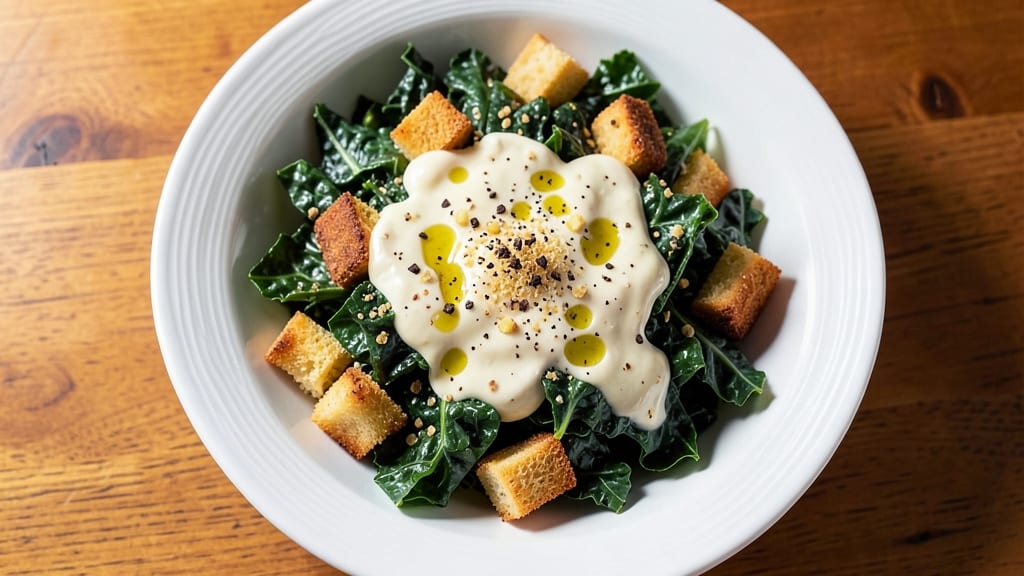
America's Test Kitchen's kale Caesar salad recipe transforms a classic into something bold and modern—roasted garlic and parmesan elevate every bite with deep, savory richness. 💛 The secret lies in properly massaging the kale to soften it while preserving texture, then roasting garlic until sweet and golden for a flavor that rivals traditional anchovies.
This vegetarian version proves you don’t need fish to achieve that signature umami depth.
What sets this salad apart is the foolproof dressing technique—a blend of nutritional yeast, Dijon mustard, and garlic that clings perfectly to the kale without overwhelming it. The croutons get a crispy toast in the oven, while the parmesan (or vegan alternative) adds a salty, nutty finish.
Every component is designed to work together seamlessly, ensuring restaurant-quality results at home.
The assembly process is straightforward but intentional: roast the kale first to mellow its bitterness, then toss it with the dressing while still warm so the flavors meld. The croutons and cheese come last to keep them crisp.
This method guarantees a salad that’s vibrant, satisfying, and packed with layers of flavor—no soggy leaves or bland dressing here.
Perfect for weeknight dinners or impressive gatherings, this kale Caesar salad holds up beautifully when prepped ahead. The roasted garlic and parmesan infuse the dressing with complexity, making it a standout dish that’s as nutritious as it is delicious. Let’s get started!
Ingredients for america's test kitchen kale caesar salad
Roasted garlic and aged Parmesan transform this classic salad into a vegetarian masterpiece with restaurant-quality depth.
| Ingredient | Amount | Notes |
|---|---|---|
| Lacinato Kale 🥬 | 10 oz | Stems removed, roughly chopped |
| Extra-Virgin Olive Oil 🫒 | ¼ cup | High-quality, fruity variety |
| Garlic Cloves 🧄 | 6 whole | Roasted until golden brown |
| Nutritional Yeast 🧀 | ¼ cup | For umami depth, unsulfured |
| Dijon Mustard 🍯 | 1 tbsp | Mellow, not spicy |
| Lemon Juice 🍋 | 2 tbsp | Freshly squeezed |
| Parmesan Cheese 🧀 | ½ cup | Freshly grated, aged 24+ months |
| Vegetable Broth 💧 | ¼ cup | Low-sodium, homemade preferred |
| Dry Bread Cubes 🍞 | 2 cups | Sourdough or Italian bread |
| Olive Oil 🫒 | 1 tbsp | For tossing croutons |
| Garlic Powder 🧄 | ½ tsp | For crouton seasoning |
| Salt 🧂 | 1 tsp | Diamond Crystal preferred |
| Black Pepper 🌶️ | ½ tsp | Freshly ground |
| Dried Oregano 🍃 | ¼ tsp | For crouton seasoning |
The kale and roasted garlic are the heart of this dish. Lacinato kale has the perfect balance of tenderness and bite—avoid curly kale, which can be too fibrous. For the garlic, roast whole cloves until sweet and golden (about 20 minutes at 400°F), then squeeze out the pulp. Whole Foods or local farmers markets often carry the best quality kale, but any grocery store should have lacinato. The Parmesan should be aged at least 24 months for maximum umami—Parmigiano-Reggiano is ideal, but any high-quality aged cheese will work. Nutritional yeast is non-negotiable here; it provides that signature cheesy, savory flavor without dairy.
No fresh garlic? Garlic powder at half the amount works in a pinch, though it lacks the depth. Substituting Parmesan? Pecorino Romano offers a sharper bite, while vegan Parmesanstale bread is ideal—toast it yourself for best results, but pre-made croutons from Trader Joe's are a solid shortcut. The Dijon mustard should be mellow; if you prefer spicier, reduce to 1 teaspoon and add a pinch of sugar to balance. The dressing keeps beautifully for 5 days in the fridge, so make extra.
Prep the kale first—massage it with olive oil and salt for 3-5 minutes to soften before roasting. Store the dressing in an airtight container with a thin layer of olive oil on top to preserve freshness. Croutons stay crisp for 2 days if stored in a sealed container. For meal prep, assemble the salad just before serving to maintain texture. The roasted garlic can be made 3 days ahead and stored in the fridge—its flavor only intensifies over time. This salad shines at room temperature, making it perfect for potlucks or office lunches.
Why You'll Love This Recipe
- No Chopping Needed: I’ll admit, I used to dread kale’s stubborn stems—until I learned this trick. The recipe calls for massaging the lacinato with olive oil and garlic until it’s tender, no knife required. Just tear it into bite-sized pieces and let your hands do the work.
- Umami Magic: Between us, nutritional yeast is my secret weapon. That garlic-Dijon base? Rich, tangy, and cheesy without actual cheese. The toasted breadcrumbs add crunch, but it’s the yeast that makes this salad dangerously addictive.
- Lunch or Dinner: Pack it for work or serve it at a dinner party—this salad holds up. The dressing clings to the kale, so it won’t wilt or get soggy. Honestly, I’ve eaten it cold, at room temp, and even reheated (yes, even on a Tuesday night).
- Budget-Friendly Staples: Lacinato kale stays fresh for weeks, and the rest of the ingredients? Olive oil, garlic, mustard—things I already had. No fancy swaps, just a salad that tastes like a restaurant dish without the markup. (My wallet thanks me.)
Step-by-step instructions for america's Test Kitchen kale Caesar salad
Precision meets flavor in this elevated Caesar—roasted garlic and aged Parmesan transform humble kale into a restaurant-worthy dish.
🔥 Step 1: Roast the Garlic for Sweet Depth
Preheat oven to 400°F. Peel the 6 whole garlic cloves and place them in a small oven-safe dish. Drizzle with 1 teaspoon of the 0.25 cup extra-virgin olive oil and sprinkle lightly with ½ teaspoon salt. Roast for 25-30 minutes until golden brown and fragrant.
Watch closely after 20 minutes—the garlic should soften and turn deep amber. If it browns too quickly, tent with foil. Roasted garlic adds sweet, caramelized notes that elevate the dressing beyond basic Caesar. Let cool slightly before squeezing from the skins—you should get about 1 tablespoon of roasted garlic pulp.
🍳 Step 2: Create the Roasted Garlic Dressing
In a blender, combine the roasted garlic pulp, remaining 0.25 cup extra-virgin olive oil, 0.25 cup nutritional yeast, 1 tablespoon Dijon mustard, 2 tablespoons lemon juice, 0.5 cup freshly grated Parmesan cheese, and 0.25 cup vegetable broth. Blend until completely smooth, scraping down the sides as needed.
Taste and adjust seasoning—this is your flavor foundation. The dressing should be tangy, nutty, and rich with umami. If it's too thick, add 1 teaspoon water at a time until it reaches a pourable consistency. The roasted garlic should dominate the flavor profile, creating a complex base that pairs perfectly with kale's earthiness.
👨🍳 Step 3: Prepare the Kale and Croutons
In a large bowl, combine the 10 oz chopped lacinato kale (stems removed) with 1 teaspoon salt and ½ teaspoon black pepper. Massage with your hands for 2-3 minutes until the kale wilts and releases its natural juices. This step is crucial—it softens the leaves and removes any bitterness.
Meanwhile, toss the 2 cups dry bread cubes with 1 tablespoon olive oil, ½ teaspoon garlic powder, ½ teaspoon dried oregano, and remaining ½ teaspoon salt. Spread on a baking sheet and toast in a 375°F oven for 8-10 minutes until golden and crisp. Watch closely—they burn quickly once they start browning.
🥘 Step 4: Assemble the Salad
Transfer the wilted kale to a serving platter. Drizzle with half the dressing and toss gently to coat. Arrange the toasted croutons around the kale, then top with the remaining dressing. The contrast of crispy croutons against tender kale creates the perfect texture balance.
For serving, I recommend dividing the salad among plates so each portion has both kale and croutons. The roasted garlic dressing should glisten slightly, and each bite should deliver a harmonious blend of nutty yeast, tangy lemon, and sweet roasted garlic. Garnish with additional Parmesan shavings if desired—this salad tastes even better the next day as flavors meld.
Pro Tips For Making America'S Test Kitchen Kale Caesar Salad
- Massage the Kale Dry: Drain the chopped kale thoroughly after washing—no one likes a soggy salad. Toss it on a clean towel, pat it down, and work out the moisture with your hands for 30 seconds. Wet kale steams instead of crisping, and this step guarantees that perfect al dente bite the recipe promises.
- Toast the Garlic Slow: The recipe says to cook the garlic until golden, but I learned the hard way—too fast and it burns. Slice the cloves thin (almost paper-thin) and cook them on medium-low heat for 3-4 minutes, stirring constantly. Burnt garlic ruins the dressing, and no one wants that bitter punch.
- Whisk the Dressing Hot: Warm the olive oil, Dijon, and garlic mixture just until it smells fragrant—about 1 minute on low heat. Then whisk in the nutritional yeast and lemon juice while it’s still warm. Cold oil makes the dressing clump; warm oil emulsifies it silky smooth. Trust me, it’s worth the extra 60 seconds.
- Rest the Dressing: After mixing, let the dressing sit for at least 10 minutes before tossing with the kale. This gives the flavors time to meld—especially the umami from the nutritional yeast—and prevents a sharp, disjointed taste. I used to skip this, and the salad always tasted like it needed more seasoning.
Best sauces and condiments for this dish
Roasted Garlic Dressing
The star of this salad is the roasted garlic dressing, where 6 whole garlic cloves roasted until golden create a sweet, caramelized base. I blend them with 0.25 cup nutritional yeast (the secret umami booster) and 1 tbsp Dijon mustard for depth.
The 2 tbsp lemon juice brightens the richness, while 0.5 cup aged Parmesan adds a salty, nutty finish. This dressing clings beautifully to the kale without overpowering it. 💛
Crispy Croutons
For perfect croutons, I toast 2 cups dry bread cubes (sourdough works best) with 1 tbsp olive oil, ½ tsp garlic powder, and ½ tsp dried oregano at 375°F for 8-10 minutes.
The key is watching closely—they go from golden to burnt quickly! Store them in an airtight container to keep them crisp for up to 2 days.
Umami Boosters
Nutritional yeast isn’t just a vegan substitute—it’s a flavor powerhouse that mimics the savory depth of anchovies. For extra richness, I sometimes add 1 tsp white miso paste to the dressing.
If you prefer a sharper taste, swap Parmesan for Pecorino Romano. The roasted garlic alone adds complexity that traditional Caesar dressings often miss.
Vegan Adaptations
To make this salad fully vegan, replace the Parmesan with vegan Parmesan (like Follow Your Heart) and use nutritional yeast as the sole umami source. The dressing still packs incredible flavor—just ensure your vegan cheese has a fine, powdery texture.
For extra protein, toss in toasted chickpeas alongside the croutons. 🌱
Storage Tips
Dressing keeps for 5 days in the fridge, but the croutons only stay crisp for 2 days. I store them separately and toss them with the salad just before serving.
The kale can be prepped 1 day ahead—keep it in an airtight container with a paper towel to absorb moisture. Reassemble with fresh croutons and dressing for the best texture. ❄️
Garnish Ideas
Finish with toasted pumpkin seeds for crunch or crumbled vegan feta for tang. A drizzle of chili oil adds heat, while fresh parsley brightens the dish. For a pop of color, try edible flowers—they’re stunning and add a delicate floral note.
The possibilities are endless, but keep it simple to let the roasted garlic shine. ✨
Nutrition facts
Frequently asked questions
Why does this recipe use roasted garlic instead of anchovies?
Roasted garlic delivers a sweet, caramelized depth that mimics anchovies' umami without the fish. The 6 cloves roasted until golden brown create a complex flavor that pairs perfectly with kale's earthiness. This vegetarian-friendly approach still achieves that signature Caesar richness.
Can I substitute curly kale for lacinato?
While possible, lacinato (Dinosaur kale) works best because its tender leaves wilt more easily. Curly kale has tougher stems and a more fibrous texture—remove all stems and massage it 5 minutes longer. For best results, stick with lacinato if available.
How do I make the dressing thicker or thinner?
Start with the recipe's consistency, then adjust: Add 1 teaspoon water at a time for thinner dressing, or blend in 1 teaspoon extra Parmesan for thickness. The dressing should coat the back of a spoon but still drizzle easily—this ensures perfect cling without soggy croutons.
What's the best way to store leftovers?
Store dressing separately in an airtight container for 5 days, croutons in a sealed bag for 2 days, and kale in a container with a paper towel for 1 day. Reassemble just before serving to maintain crispness. The flavors actually improve overnight as the roasted garlic mellows!
Can I make this gluten-free?
Yes! Use gluten-free bread for croutons or swap them for toasted pumpkin seeds or crispy chickpeas. Check your nutritional yeast and broth labels too—some contain gluten. The dressing remains naturally gluten-free as written.