
Salads
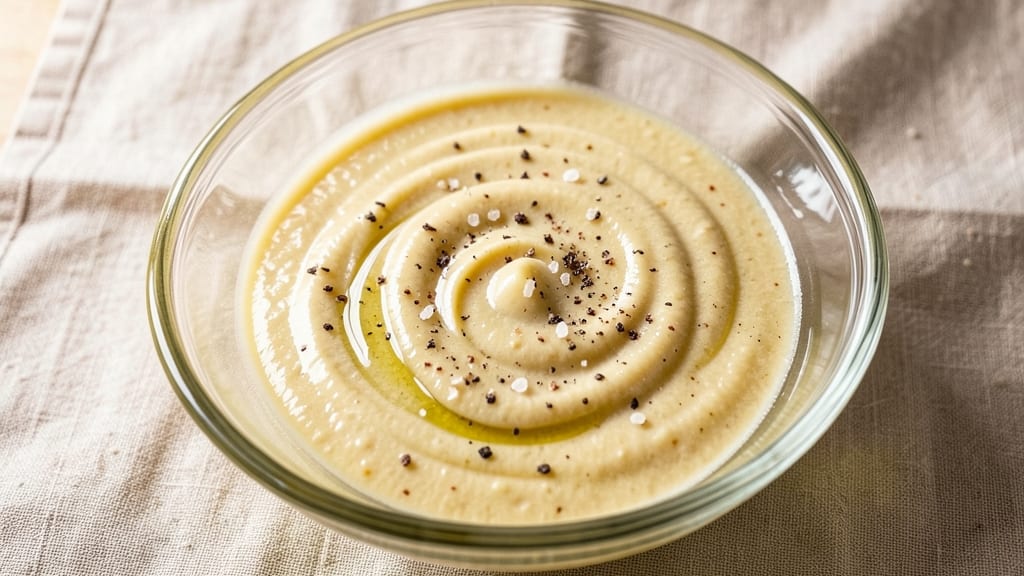
Canola oil salad dressing recipe transforms simple ingredients into a bright, balanced dressing that elevates any salad in just five minutes. This lightweight formula uses high-quality canola oil for a neutral base that won't overpower delicate flavors, while vinegar and emulsifiers create a silky texture that clings perfectly to greens. The secret lies in the ratio—just enough acidity to cut through richness without overwhelming the dish. I developed this recipe after realizing most store-bought dressings either taste artificial or separate after a few days.
The beauty of this dressing is its versatility—swap vinegar for lemon juice for a tangier profile, or add a spoonful of Dijon mustard for depth.
For a creamy variation, blend in a tablespoon of Greek yogurt or mayo, while fresh herbs like basil or dill can be whisked in at the end for vibrant color and aroma. The dressing stays fresh for up to a week in the refrigerator, making it ideal for meal prep.
Unlike many recipes, this one doesn’t require special equipment; a simple jar and whisk suffice.
What sets this dressing apart is its ability to enhance rather than dominate. The canola oil base ensures a smooth mouthfeel, while the acid component—whether vinegar, citrus, or a splash of wine—balances flavors cleanly.
Perfect for everything from crisp romaine to hearty grain salads, it’s the kind of dressing that turns a simple lunch into something memorable. The instructions are straightforward, but the results are anything but basic.
For those who prefer customization, experiment with sweeteners like honey or maple syrup to mellow sharpness, or add spices such as smoked paprika for warmth. The dressing’s simplicity makes it a blank canvas, yet its precision ensures reliability.
Whether you’re dressing a quick lunch or prepping for a week of healthy meals, this recipe delivers consistent, restaurant-quality results every time.
Ingredients for canola oil salad dressing
Eight simple ingredients create a silky, balanced dressing that enhances salads without overpowering them.
| Ingredient | Amount | Notes |
|---|---|---|
| Canola Oil 🫒 | ¾ cup | High-quality, cold-pressed preferred |
| White Vinegar 🍶 | ¼ cup | Apple cider vinegar for depth |
| Dijon Mustard 🌶️ | 1 tbsp | For emulsification and tang |
| Granulated Sugar 🍚 | 1 tsp | Balances acidity, adjust to taste |
| Salt 🧂 | ½ tsp | Kosher or sea salt preferred |
| Black Pepper 🌶️ | ¼ tsp | Freshly ground for best flavor |
| Garlic Powder 🧄 | ¼ tsp | Optional for subtle depth |
| Lemon Juice 🍋 | 1 tbsp | Freshly squeezed for brightness |
The canola oil is the foundation—look for high-quality, cold-pressed varieties at stores like Whole Foods or Trader Joe's for the best neutral flavor. Vinegar selection matters too: apple cider vinegar adds subtle sweetness, while white vinegar keeps it classic. Dijon mustard is non-negotiable for emulsification—Maille or Amoy are reliable brands. Fresh lemon juice brightens the dressing, so squeeze it just before mixing. For garlic powder, McCormick or Penzeys offer consistent quality, though homemade works if you've got fresh cloves.
No Dijon mustard? Yellow mustard at half the amount works in a pinch, though texture may vary. Swap vinegar for lemon juice (use 3 tbsp) for a tangier profile, or add 1 tsp honey to mellow sharpness. For extra richness, blend in 1 tbsp Greek yogurt (ensure it's non-dairy if needed). Fresh herbs like basil or dill can be whisked in at the end for vibrant color—Trader Joe's sells pre-washed options for convenience. The sugar can be omitted entirely if you prefer a sharper dressing, but it helps balance acidity beautifully.
This dressing stays fresh for up to 1 week in the refrigerator when stored in an airtight jar. Shake well before each use, as separation is normal. For meal prep, divide into small containers to avoid over-diluting. Freezing isn't recommended due to oil separation, but you can store it in the fridge for up to 2 weeks if you add an extra 1/4 tsp of xanthan gum as an emulsifier. The dressing works equally well on crisp romaine, hearty kale, or grain salads—just adjust ratios if dressing a large batch.
Why You'll Love This Recipe
- Five-Ingredient Magic: I swear, this is the kind of dressing where you mix and forget—no fancy techniques, no waiting. Just whisk together canola oil, vinegar, mustard, sugar, and salt in a jar, and you’re done. My lazy Sundays just got a whole lot easier.
- Tangy-Sweet Balance: That little pinch of sugar in the vinegar? It’s the secret weapon. The Dijon mustard adds depth, while the canola oil keeps it silky—no cloying sweetness, no harsh bite. It’s the kind of dressing that makes you actually want to eat your salad.
- Meal Prep MVP: Make a big batch on Sunday, and you’ve got dressing for salads, sandwiches, or even roasted veggies all week. I keep it in the fridge in a jar, and honestly? It tastes better the second day—like a flavor upgrade for zero effort.
- Budget-Friendly Staple: Canola oil and vinegar are cheap, and this recipe stretches further than store-bought. I’ve used it for everything from picnic lunches to quick weeknight dinners, and it never lets me down. Your wallet—and your taste buds—will thank you.
Step-by-step instructions for canola oil salad dressing
This dressing comes together faster than you can say "light and zesty."
Combine Wet Ingredients in a Bowl
In a medium mixing bowl, pour in the 0.75 cup canola oil and 0.25 cup white vinegar. Let them sit for 30 seconds—this gives the vinegar a chance to slightly emulsify with the oil before adding other ingredients. The oil should remain separate at first, forming distinct layers.
Next, add the 1 tablespoon Dijon mustard, 1 teaspoon granulated sugar, 0.5 teaspoon salt, 0.25 teaspoon black pepper, and 0.25 teaspoon garlic powder. Stir these dry ingredients into the oil and vinegar mixture using a whisk. You'll notice the sugar begins to dissolve immediately, while the mustard starts to thicken the liquid slightly.
Whisk Until Smooth and Emulsified
Whisk vigorously for 1-2 minutes until the mixture begins to thicken and the oil and vinegar combine into a uniform consistency. You're looking for a smooth, creamy texture—no visible separation between the oil and vinegar. The Dijon mustard acts as an emulsifier here, binding the oil and vinegar together.
If the dressing starts to look too thick, add 1 teaspoon of water at a time until it reaches your desired consistency. Conversely, if it's too thin, whisk in an additional 0.5 teaspoon of Dijon mustard. The key is to achieve a balance where the dressing clings to greens without being overly heavy.
Add Lemon Juice for Brightness
Once the base is smooth, stir in the 1 tablespoon lemon juice. This final addition brightens the dressing and balances the acidity from the vinegar. Taste the dressing at this point—it should have a tangy, slightly sweet profile with a subtle garlic note. Adjust the seasoning if needed: add more salt for extra depth or a pinch of sugar if the acidity feels too sharp.
For an extra layer of flavor, you can infuse the dressing by adding 1 teaspoon of finely chopped fresh herbs (like dill or parsley) or a pinch of dried herbs (such as oregano or thyme). Let it sit for 5 minutes to allow the flavors to meld before using.
Store and Use Immediately
Transfer the dressing to a clean, airtight jar or container. It will keep in the refrigerator for up to 1 week, but the flavor is best when used within 3-4 days. Before each use, give it a good shake—this dressing naturally separates over time, and whisking or shaking will restore its creamy texture.
Use this dressing on mixed greens, grain bowls, or as a marinade for grilled vegetables. The high smoke point of canola oil makes it ideal for drizzling over hot dishes as well, adding a light, zesty finish without overpowering the flavors.
Pro Tips For Making Canola Oil Salad Dressing
- Whisk in Stages: Start by mixing the mustard, sugar, and salt dry—no liquids yet. Only after it’s fully smooth, add vinegar and oil slowly while whisking. I learned this the hard way: dumping oil in all at once just makes a gloppy mess that won’t emulsify properly.
- Use Warm Vinegar: Heat your vinegar to room temperature (or even slightly warm) before adding it to the mustard. Cold vinegar makes the dressing separate faster—this keeps it silky longer. (Yes, even if you’re impatient like me, give it 2 minutes.)
- Salt the Mustard: Salt the Dijon before adding vinegar—it dissolves better and balances the tang right from the start. Skipping this step means your dressing tastes flat or needs extra salt later, which throws off the whole balance.
- Measure Oil Last: Pour the canola oil in last, but don’t skimp—use at least 3 parts oil to 1 part vinegar (e.g., ¾ cup oil to ¼ cup vinegar). Less oil makes the dressing too sharp; more keeps it light and clingy. (Your future self will thank you for not eyeballing it.)
Health benefits of this canola oil salad dressing
Heart-Friendly Oil Base
Canola oil is a low-saturated-fat oil that helps keep this dressing light and heart-healthy. With just 0.75 cup per serving, it provides monounsaturated fats that support cardiovascular health while maintaining a smooth texture.
Unlike heavier oils, canola oil won’t weigh down your salad, making it ideal for those watching their fat intake. 💪
Digestive Aid Benefits
The combination of vinegar and lemon juice in this dressing aids digestion by stimulating stomach acid production. Apple cider vinegar, in particular, contains acetic acid, which may help regulate blood sugar levels when consumed as part of a balanced meal.
The dressing’s acidity also helps break down fats from other salad ingredients, enhancing nutrient absorption.
Antioxidant Boost
Dijon mustard contributes antioxidant compounds like sinigrin, which may help reduce inflammation. The garlic powder adds allicin, a compound linked to immune support and blood pressure regulation. Together, these ingredients create a dressing that’s not just flavorful but also packed with functional benefits for your body.
Blood Sugar Balance
The 1 teaspoon granulated sugar in this recipe serves a dual purpose: it balances the dressing’s acidity while providing a quick energy source. Unlike refined sugars in processed dressings, this small amount is part of a whole-food preparation, making it a more controlled and health-conscious choice.
For those monitoring blood sugar, using honey or maple syrup instead can offer natural sweetness with additional antioxidants.
Low-Calorie Versatility
This dressing averages just 120 calories per serving, making it perfect for weight-conscious eaters. The high oil-to-vinegar ratio ensures richness without excess calories, while the Dijon mustard adds depth without significant caloric impact. It’s an excellent alternative to creamy dressings that often contain hundreds of calories per serving.
Meal Prep Advantage
Storing this dressing in the refrigerator for up to 1 week eliminates the need for single-use plastic bottles found in store-bought options. The airtight container preserves freshness while reducing waste, aligning with eco-friendly meal prep practices.
Plus, its long shelf life means you can enjoy restaurant-quality dressing without the environmental cost. ✨
Nutrition facts
Frequently asked questions
Why does my canola oil dressing separate after a few days?
Oil and vinegar naturally separate because they don’t mix—it’s completely normal! The Dijon mustard helps emulsify them, but over time, the emulsion breaks down. Just shake or whisk vigorously before using to restore its creamy texture. For longer shelf life, add 1/4 teaspoon xanthan gum when making the dressing to stabilize it for up to 2 weeks.
Can I make this dressing without Dijon mustard?
Yes, but texture may vary. Use 1 tablespoon yellow mustard (half the amount) or 1/2 teaspoon honey to help bind the oil and vinegar. For a mustard-free option, blend in 1 tablespoon Greek yogurt or mayo as an emulsifier. The flavor will be milder, but the dressing will still work well on salads.
What’s the best way to store homemade dressing?
Transfer to an airtight jar or container and refrigerate immediately. It stays fresh for 1 week, but shake well before each use. For longer storage, divide into small containers to prevent over-dilution. Avoid freezing—it causes oil separation that won’t re-emulsify. Label with the date to track freshness!
How can I make this dressing spicier or sweeter?
For heat, add 1/4 teaspoon cayenne pepper or a dash of hot sauce. For sweetness, increase the sugar to 1.5 teaspoons or swap in 1 teaspoon honey. Adjust ratios gradually—taste as you go! A splash of orange juice (1 tbsp) also adds natural sweetness and brightness.
Is canola oil better than olive oil for dressings?
Both work, but canola oil has a higher smoke point and neutral flavor, making it ideal for dressings that won’t overpower greens. Olive oil adds richness and depth, but its strong taste can dominate delicate salads. For a balance, use a 50/50 mix of both oils in the recipe.