Salads
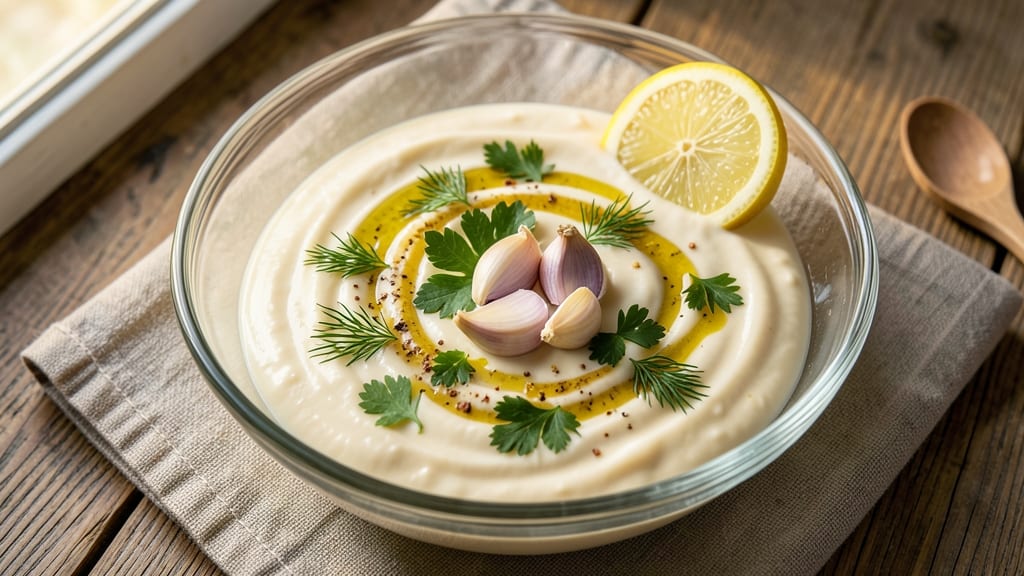
This cauliflower salad dressing recipe transforms simple ingredients into a vibrant, herb-infused oil base that elevates any dish. The secret lies in balancing fresh herbs with a light acidity that enhances cauliflower’s natural flavor without overpowering it.
Perfect for vegan diets, this dressing stays fresh for days, making it ideal for meal prep or last-minute salads.
The foundation is built on extra-virgin olive oil, which carries the delicate flavors of garlic, lemon, and fresh dill—key for complementing cauliflower’s earthy notes. A touch of Dijon mustard acts as a natural emulsifier, ensuring the dressing clings to every floret.
The recipe is designed for simplicity, requiring just 10 minutes of prep and no special equipment.
What sets this dressing apart is its long-lasting freshness, thanks to a preservative-free blend of apple cider vinegar and a pinch of salt. The result is a bright, aromatic dressing that enhances cauliflower’s texture while adding a refreshing crunch.
Whether drizzled over roasted cauliflower or tossed in a grain bowl, it’s a game-changer for any meal.
Store it in an airtight container in the fridge for up to 5 days, or extend its shelf life by adding a splash of vinegar. The versatility doesn’t stop there—adjust the herbs to suit your taste, or thin it with water for a lighter finish.
Here’s how to make it perfectly every time.
Ingredients for cauliflower salad dressing
Nine ingredients blend into a vibrant, herb-infused oil base perfect for enhancing cauliflower’s natural earthiness.
| Ingredient | Amount | Notes |
|---|---|---|
| Extra-Virgin Olive Oil 🫒 | ¾ cup | High-quality, fruity variety preferred |
| Fresh Dill Leaves 🌿 | ½ cup | Finely chopped, stems removed |
| Fresh Flat-Leaf Parsley 🌿 | ¼ cup | Finely chopped, for brightness |
| Garlic Cloves 🧄 | 4 cloves | Minced for aromatic depth |
| Fresh Lemon Juice 🍋 | ¼ cup | Strained, for acid balance |
| Dijon Mustard 🍯 | 1 tbsp | For natural emulsification |
| Apple Cider Vinegar 🍶 | 1 tbsp | Preservative-free, for tang |
| Kosher Salt 🧂 | ½ tsp | Fine grain for even seasoning |
| Black Peppercorns 🌶️ | ¼ tsp | Freshly cracked for heat |
| Raw Honey 🍯 | 1 tsp | Optional, for subtle sweetness |
The olive oil serves as the flavor carrier, so choose an extra-virgin variety with fruity notes—look for cold-pressed labels at specialty stores like Whole Foods or Trader Joe's. Fresh herbs are non-negotiable here; dill and parsley from the grocery store’s refrigerated section work, but farmers' market selections offer superior brightness. Garlic should be freshly minced—pre-minced jars lack the aromatic punch. For lemon juice, Meyer lemons add a floral sweetness, but regular lemons work perfectly too. If you prefer, lime juice can replace lemon at a 1:1 ratio.
No Dijon mustard? Yellow mustard thinned with water works in a pinch, though the flavor will differ slightly. Substituting vinegar? White wine vinegar or balsamic vinegar both function, but apple cider vinegar’s mild sweetness complements the herbs best. For a sugar-free version, omit the honey entirely—a pinch of maple syrup can replace it if desired. The dressing’s emulsification relies on the mustard and vinegar balance, so avoid over-diluting. If the texture separates, whisk vigorously or add 1 tsp of water to re-emulsify.
Store the dressing in an airtight glass jar in the refrigerator for up to 5 days, where it maintains its vibrant color and freshness. For longer storage, transfer to a sealed container with a thin layer of olive oil on top to preserve the herbs—this extends freshness to 10 days. The dressing thickens when chilled, so let it sit at room temperature for 5 minutes before using. Freezing isn’t recommended, as the herbs lose texture and flavor. Use within 2 days of opening for optimal quality.
Why You'll Love This Recipe
- No-Chop Required: I swear by this trick—just roughly tear the dill and parsley instead of chopping. The dressing still packs that bright, herby punch, and my hands stay clean while the kids argue over who gets the last bite of garlic bread.
- Bright & Tangy: That lemon juice cuts through the richness of the olive oil like a summer breeze. Honestly, the garlic and herbs sing together—it’s the kind of dressing that makes even a simple salad feel like a restaurant dish.
- Meal Prep MVP: I make a big batch on Sundays and keep it in the fridge for the week. Drizzle it over roasted cauliflower, toss it with grilled chicken, or even use it as a marinade—it’s the one ingredient that turns everything from boring to actually good.
- Budget Brightener: Good olive oil and fresh herbs might sound fancy, but a little goes a long way. I stretch this dressing by adding a splash of water when needed, and it still tastes like I spent an hour in the kitchen. (Between us, it’s my secret for making cheap veggies taste expensive.)
Step-by-step instructions for herb-infused cauliflower salad dressing
This dressing transforms simple ingredients into a vibrant, long-lasting oil base perfect for cauliflower salads.
Prepare the Fresh Herbs and Aromatics
In a food processor, combine the 0.5 cup fresh dill leaves and 0.25 cup fresh flat-leaf parsley, processing until finely chopped but not pulverized. You want visible texture, not a paste. Transfer the herb mixture to a medium bowl and set aside.
Using a microplane or fine grater, finely mince the 4 cloves garlic—this ensures even distribution and prevents bitter garlic chunks. Add the garlic to the herbs and stir to combine. The raw garlic will mellow as it infuses into the oil, but starting with finely minced pieces guarantees balanced flavor.
Whisk Together Wet Ingredients
In a separate bowl, whisk together the 0.25 cup fresh lemon juice, 1 tbsp Dijon mustard, and 1 tbsp apple cider vinegar. The lemon juice should be freshly strained to avoid pulp that could separate later. Add the 0.5 tsp kosher salt and 0.25 tsp black peppercorns (cracked with a pepper grinder for maximum aroma), whisking until fully dissolved.
If using, stir in the 1 tsp raw honey at this stage. The honey will blend smoothly into the liquid base, adding subtle sweetness that balances the acidity. This mixture should be smooth with no visible lumps—Dijon mustard acts as a natural emulsifier, preventing separation later.
Slowly Incorporate the Olive Oil
With the motor running on low speed, slowly drizzle in the 0.75 cup extra-virgin olive oil through a fine-mesh sieve. This gradual addition prevents the oil from breaking the emulsion. I use a whisk for better control—it creates a lighter, more stable dressing than immersion blending.
Continue whisking for 2-3 minutes until the dressing thickens slightly and coats the back of a spoon. The texture should be silky but not syrupy. If it appears too thick, add 1-2 teaspoons of water to adjust consistency. The key is patience—rushing this step leads to separation later.
Blend for Maximum Freshness and Stability
Transfer the dressing to a blender and blend on high speed for 15-20 seconds. This step ensures the herbs are fully incorporated and the emulsion is perfectly smooth. The high-quality olive oil should create a velvety texture with no visible herb bits—just a subtle, vibrant green hue.
Taste and adjust seasoning if needed. The dressing should balance bright herbs, tangy acidity, and subtle sweetness. For extra stability, especially if storing for more than a week, add 1/8 tsp xanthan gum and blend again briefly. This optional step prevents separation in the refrigerator.
Store Properly for Long-Lasting Freshness
Transfer the dressing to a clean, airtight glass jar or bottle. Store in the refrigerator for up to 2 weeks. The oil base preserves the herbs' freshness longer than water-based dressings, while the acidity from vinegar and lemon juice acts as a natural preservative.
Before using, give the dressing a gentle shake—it may settle slightly over time. This herb-infused oil base works beautifully drizzled over roasted cauliflower salads, grain bowls, or grilled vegetables. The flavor profile brightens even the simplest dishes with its aromatic depth.
Pro Tips For Making Cauliflower Salad Dressing
- CHOP GARLIC SMALL: I learned this the hard way—mincing garlic too finely for this dressing makes it disappear into the oil, leaving you with a bland base. Aim for tiny, uneven pieces (about 1/8-inch chunks) so they infuse flavor without turning into paste.
- PULSE HERBS, DON’T CHOP: A food processor’s pulse function keeps dill and parsley bright and chunky, not muddy. Stop when they’re roughly chopped—think "confetti," not "sauce." Over-blending turns this dressing into pesto.
- LEMON JUICE FIRST: Add lemon juice before olive oil—it emulsifies better and prevents separation later. If you’re lazy and mix oil first, just shake the dressing vigorously for 10 seconds after adding lemon. (Yes, even if you’re impatient like me.)
- USE COLD OIL: Room-temperature olive oil blends smoother, but cold oil (straight from the fridge) actually helps the dressing cling to cauliflower better. Just let the bottle sit out for 10 minutes if you’re in a rush—no need to wait hours.
Dietary considerations for this recipe
Vegan Adaptations
This dressing is naturally vegan-friendly—no animal products are used, making it perfect for plant-based diets. The extra-virgin olive oil and Dijon mustard provide richness without dairy or eggs. For extra stability, use 1/8 tsp xanthan gum (a vegan thickener) to prevent separation.
Store in an airtight glass jar for up to 2 weeks—the oil base keeps herbs fresher longer than water-based dressings. 🌱
Gluten-Free Options
All ingredients in this recipe are inherently gluten-free, but always double-check labels on Dijon mustard and apple cider vinegar for hidden additives. Brands like Annie's or Maille offer certified gluten-free options.
The dressing’s emulsification relies on mustard, so avoid substitutions like flour-based thickeners. For a lighter texture, thin with water or veggie broth instead of vinegar. ✨
Allergen-Free Adjustments
If avoiding mustard allergens, replace the 1 tbsp Dijon mustard with 1 tsp ground flaxseed mixed with 2 tbsp water (let sit for 5 minutes to thicken). For honey allergies, omit it entirely or use maple syrup instead.
Always store in a dedicated container to prevent cross-contamination. The dressing’s acidity from lemon juice and vinegar helps balance any flavor shifts from substitutions. 💡
Low-Sodium Versions
Reduce the 0.5 tsp kosher salt to 0.25 tsp or omit entirely for a low-sodium option. Boost flavor with extra fresh herbs (up to 0.75 cup total) or a splash of lemon juice.
If the dressing tastes flat, add a pinch of garlic powder or onion powder instead. The black peppercorns add heat without sodium, making this a great choice for heart-healthy meals. 💪
Sweetness Control
For a sugar-free dressing, skip the 1 tsp honey entirely. If you prefer sweetness, try 1/2 tsp maple syrup or a pinch of stevia. The apple cider vinegar already adds a subtle sweetness, so adjustments should be minimal.
Taste as you go—the herbs should shine, not the sweetener. This version works beautifully with spicy cauliflower dishes to balance flavors. 🍯
Storage for Dietary Needs
For meal prep, divide the dressing into small glass jars (like Le Parfait containers) to preserve freshness. Refrigerate for up to 5 days—the oil base prevents spoilage better than water-based dressings. If storing longer, add 1 extra tbsp vinegar to extend shelf life to 10 days.
Always shake before using, as the herbs may settle. This makes it ideal for gluten-free, vegan, or low-sodium meal plans. ❄️
Nutrition facts
Frequently asked questions
Can I make this dressing without fresh herbs?
Fresh herbs are ideal for maximum flavor, but you can substitute with 1 tbsp dried dill and 1 tbsp dried parsley if needed. Reduce the amount by 1/3 since dried herbs are more concentrated. For best results, lightly toast the dried herbs in a dry pan for 1 minute to enhance their aroma before blending. The texture will be slightly less vibrant but still delicious!
Why did my dressing separate?
Separation usually happens when oil and liquid ingredients aren't properly emulsified. To fix it, whisk vigorously or blend again for 10-15 seconds. For prevention, add 1/8 tsp xanthan gum or 1 tsp water to help stabilize the mixture. Always store in an airtight container and shake well before using to redistribute ingredients.
How can I use this dressing beyond salads?
This versatile dressing works beautifully as a marinade for grilled vegetables, a drizzle for roasted cauliflower, or even a dip for crudités. Try it in grain bowls, pasta dishes, or as a finishing touch for soups. The herb-infused oil base adds depth to any dish where you'd normally use a traditional vinaigrette!
Can I make this dressing ahead of time?
This dressing tastes even better after 24 hours as the flavors meld together. Store in an airtight glass jar in the refrigerator for up to 2 weeks. The oil base helps preserve freshness longer than water-based dressings. Just give it a good shake before using, as the herbs may settle slightly over time.
What if I don't have Dijon mustard?
You can substitute with 1 tbsp yellow mustard thinned with 1 tsp water or 1 tsp olive oil. For a mustard-free option, add 1/2 tsp lemon zest to boost flavor and help with emulsification. The dressing will still work, though the texture might be slightly less stable. Always taste as you go and adjust seasoning accordingly.