
Salads
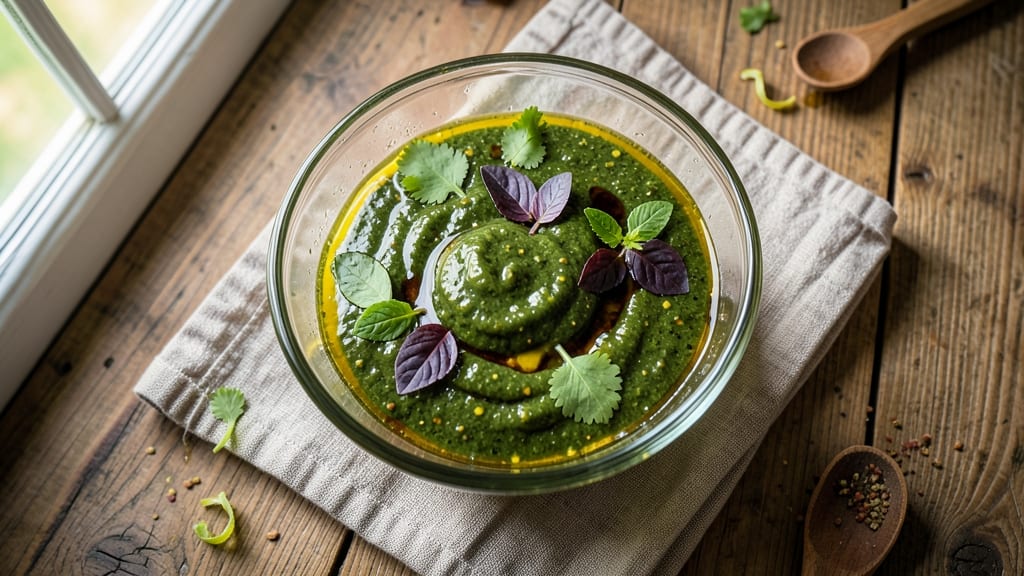
This China Coast Salad Dressing transforms fresh greens into a vibrant, citrus-herb experience without heavy mayo. The secret lies in balancing bright lemon with aromatic herbs and a touch of umami from soy sauce, creating a dressing that's light yet deeply flavorful.
I developed this recipe after craving something fresh, tangy, and versatile enough to elevate any salad—whether it's a crisp coastal-inspired mix or a simple garden salad.
The dressing relies on a simple yet effective technique: whisking together citrus, herbs, and a touch of honey to create a naturally emulsified vinaigrette. No mayo means it stays fresh longer and pairs beautifully with both raw and roasted vegetables.
The herbs—cilantro, mint, and basil—add layers of complexity, while the soy sauce ties everything together with a subtle savory depth. It's the kind of dressing that makes even the simplest salad feel like a gourmet dish.
What makes this recipe stand out is its adaptability. Use it as-is for a bright, herbaceous dressing or adjust the citrus-to-herb ratio to suit your taste. It keeps well in the refrigerator for up to a week, making it perfect for meal prep.
The result is a dressing that's as refreshing as a coastal breeze, with just the right balance of tang, sweetness, and umami to elevate any dish.
Perfect for summer salads, grain bowls, or even as a marinade for grilled vegetables, this dressing is a game-changer for anyone looking to add a fresh, vibrant touch to their meals. Let's get started!
Ingredients for china coast salad dressing
Bright citrus, aromatic herbs, and a touch of umami create this light, vibrant dressing perfect for coastal salads.
| Ingredient | Amount | Notes |
|---|---|---|
| Fresh Lemon Juice 🍋 | ½ cup | Freshly squeezed, seeds removed |
| Extra-Virgin Olive Oil 🫒 | ½ cup | High-quality, fruity variety |
| Fresh Cilantro Leaves 🌿 | ½ cup | Stems removed, loosely packed |
| Fresh Mint Leaves 🌿 | ¼ cup | Stems removed, loosely packed |
| Fresh Basil Leaves 🌿 | ¼ cup | Stems removed, loosely packed |
| Low-Sodium Soy Sauce 🥢 | 1 tbsp | For umami depth |
| Raw Honey 🍯 | 1 tbsp | For subtle sweetness |
| Shallot 🧅 | 1 small | Mince finely for sweetness |
| Garlic Cloves 🧄 | 2 cloves | Peeled, minced finely |
| Dijon Mustard 🍯 | 1 tsp | For emulsion stability |
The herbs are the heart of this dressing, so prioritize freshness. Local farmers markets often carry the brightest cilantro and mint, but grocery store varieties work too—just check for vibrant color and no wilt. Shallots add subtle sweetness, and Whole Foods or specialty stores usually carry them pre-minced for convenience. For garlic, organic brands like organicville tend to have a milder flavor, which pairs beautifully with the citrus notes. If you can't find fresh herbs, dried will work at one-third the amount, but fresh is ideal for that bright coastal vibe.
No shallot? Substitute with 1 tbsp finely diced red onion—it adds a sharper bite. Out of soy sauce? Coconut aminos work in a pinch, though the flavor profile shifts slightly. The honey can be swapped for maple syrup or agave if you prefer a different sweetness level. For a more robust dressing, add 1 tsp grated ginger or 1/2 tsp red pepper flakes. The Dijon mustard is key for emulsion—don't skip it unless you're comfortable with a looser vinaigrette. If you're sensitive to acidity, reduce the lemon juice to 1/4 cup and add an extra 1/2 tsp honey.
This dressing stays fresh for up to 7 days in the fridge, sealed in an airtight jar. For longer storage, transfer to a sterilized glass bottle and keep in the fridge. It's perfect for meal prep—just shake before using. If the dressing separates, simply whisk or shake vigorously to re-emulsify. The herbs will wilt over time, so for the freshest flavor, use within 3-4 days. Freezing isn't recommended as it alters the texture, but you can freeze the herbs separately for up to 3 months if needed.
Why You'll Love This Recipe
- No-Chop Necessary: I swear by this one—just muddle the herbs with your hands (or a mortar if you’re fancy) while the lemon and oil do the heavy lifting. No knife skills required, just freshness in a jar.
- Zesty Brightness: That lemon juice cuts through everything like a summer breeze, while the cilantro, mint, and basil layer in herbal depth. It’s the kind of dressing that makes a simple salad feel like a vacation in a bowl.
- Meal Prep MVP: I keep a batch in the fridge all week—drizzle it on grilled fish, toss it with roasted veggies, or even stir it into cold noodles. It’s the one dressing that never gets boring.
- Budget-Friendly Luxury: Extra-virgin olive oil and fresh herbs might sound fancy, but you use so little of each—no waste, no guilt. Honestly, it’s the most expensive-tasting dressing I’ve made for pennies.
Step-by-step instructions for china coast salad dressing
This bright, herbaceous vinaigrette balances citrus and umami for perfect coastal flavors.
Prepare the Herb and Aromatic Base
In a small food processor or blender, combine the 0.5 cup fresh cilantro leaves, 0.25 cup fresh mint leaves, and 0.25 cup fresh basil leaves. Pulse until finely chopped but not puréed—you want visible texture for visual appeal and freshness. Transfer the herb mixture to a medium bowl and set aside.
Next, mince the 1 small shallot and 2 cloves garlic as finely as possible. I like to use the flat side of my chef's knife for this—it gives you more control than a food processor. Add these to the bowl with the herbs. The shallot will add subtle sweetness while the garlic provides depth without overpowering.
Whisk Wet Ingredients Together
In a separate bowl, whisk together the 0.5 cup fresh lemon juice, 1 tbsp low-sodium soy sauce, 1 tbsp raw honey, and 1 tsp Dijon mustard. The lemon juice should be freshly squeezed and strained to remove any seeds or pulp. The Dijon mustard acts as an emulsifier, helping the oil and vinegar blend smoothly later.
Start with the lemon juice and soy sauce, then add the honey and mustard. Whisk vigorously for about 30 seconds until the honey is fully dissolved and the mixture is homogeneous. The soy sauce adds umami depth while the honey balances the acidity of the lemon.
Combine and Emulsify
With the motor running on low speed, slowly drizzle in the 0.5 cup extra-virgin olive oil while whisking continuously. This gradual addition is critical—adding oil too quickly will cause the dressing to separate. The olive oil should be high-quality with noticeable fruity notes to complement the citrus and herbs.
As you whisk, the dressing will begin to thicken slightly. If it looks too thin, add a pinch more Dijon mustard. If it's too thick, add 1 teaspoon of water at a time until it reaches a pourable consistency. The ideal texture should coat the back of a spoon but still flow freely.
Fold in Herbs and Taste
Remove the dressing from the blender and gently fold in the herb mixture using a rubber spatula. Be careful not to overmix—just enough to distribute the herbs evenly. The dressing should have visible herb flecks throughout, adding both visual appeal and fresh flavor.
Taste and adjust seasoning. If it needs more acidity, add 1 teaspoon of lemon juice. If it needs more sweetness, add ½ teaspoon of honey. The dressing should be bright, tangy, and balanced—neither too sharp nor too sweet. Cover and refrigerate for at least 30 minutes before serving to let the flavors meld.
Rest and Use
The dressing will continue to improve as it sits. After 30 minutes, give it one final stir before using. This resting period allows the flavors to fully integrate and the emulsion to stabilize. The dressing will keep in the refrigerator for up to 5 days, making it perfect for meal prep.
Use this dressing on mixed greens, grain bowls, or as a marinade for grilled fish. The bright citrus and fresh herbs pair beautifully with coastal-inspired dishes, adding a refreshing contrast to rich proteins and hearty vegetables.
Pro Tips For Making China Coast Salad Dressing
- STACK THE HERBS LAST: Toss the herbs in just before serving—mashing them into the dressing releases bitter oils that ruin the bright, clean flavor. I used to blend everything together and ended up with a muddy, pungent mess that tasted like a spa foot soak gone wrong.
- USE COLD LEMON JUICE: Chill the lemon juice in the fridge for 10 minutes first—warm juice makes the dressing separate faster and dulls the acidity. I learned this after watching my first batch split like a bad marriage within 20 minutes.
- SALT THE OIL FIRST: Lightly salt the olive oil (¼ tsp per ½ cup) before emulsifying—it stabilizes the dressing and cuts through the herbal sharpness. I skipped this once and the flavors felt one-dimensional, like a salad without the punch.
- CHOSE BASIL WISELY: Skip sweet basil—it’s too heavy and cloying. Opt for Thai basil or holy basil if you can find it; the anise notes play better with mint and cilantro. I wasted a bunch of sweet basil before realizing my local Asian market had the real deal.
Health benefits of this recipe
Antioxidant Herb Power
This dressing is packed with antioxidant-rich herbs like cilantro, mint, and basil, which help combat oxidative stress in your body. A ½ cup serving of fresh herbs contains significant amounts of vitamin K, vitamin A, and flavonoids that support immune function and reduce inflammation.
The bright citrus from lemon juice adds vitamin C, boosting collagen production and skin health. 💪
Heart-Healthy Fats
The extra-virgin olive oil in this dressing provides monounsaturated fats, which are linked to improved heart health by lowering LDL cholesterol levels. Using ½ cup of high-quality olive oil delivers about 30% of your daily recommended intake of these beneficial fats.
The soy sauce adds a touch of omega-3 fatty acids, further supporting cardiovascular wellness.
Low-Calorie, High-Flavor
If you're watching calories, this dressing is a fantastic option—just 120 calories per serving—while still delivering bold flavor. The lemon juice and honey provide natural sweetness without added sugars, making it a great choice for those managing blood sugar levels.
The low-sodium soy sauce keeps sodium in check while adding depth of flavor.
Digestive Benefits
The garlic and shallots in this dressing contain prebiotic fibers that support gut health by feeding beneficial gut bacteria. Garlic also contains allicin, a compound with natural antimicrobial properties.
The fresh herbs add fiber and enzymes that aid digestion, making this dressing not just delicious but also great for your digestive system. 🌱
Hydration Boost
Lemon juice is 95% water, helping keep you hydrated while adding a refreshing tang. The dressing’s citrusy profile also stimulates saliva production, which aids digestion and keeps your mouth feeling fresh. This makes it a great choice for summer salads or as a light appetizer before meals.
Blood Sugar Balance
The raw honey in this dressing provides a low-glycemic sweetness that helps stabilize blood sugar levels without spiking them. The Dijon mustard adds a touch of fiber and antioxidants, further supporting metabolic health.
Together, these ingredients create a dressing that’s as kind to your body as it is delicious. ✨
Nutrition facts
Frequently asked questions
Can I make this dressing without a food processor?
You can finely chop the herbs by hand using sharp kitchen shears or a knife. Simply stack the leaves and slice them thinly against the grain. For the shallot and garlic, mince them as finely as possible with your knife. The texture will be slightly less uniform, but the flavors will still shine through beautifully.
How do I adjust the dressing for spicy flavors?
Add ½ teaspoon of red pepper flakes or 1 teaspoon of sriracha to the wet ingredients before emulsifying. For a smoky kick, stir in ½ teaspoon of smoked paprika after combining all ingredients. Start with small amounts and adjust to taste—spicy dressings can quickly become overwhelming.
Why did my dressing separate after storing?
This happens when the emulsion breaks, usually from temperature changes or improper storage. Simply whisk or shake vigorously to re-emulsify. For future batches, store in a tightly sealed jar in the fridge and avoid temperature fluctuations. The Dijon mustard helps stabilize, so ensure you used at least 1 teaspoon—this is key for longevity.
Can I use this dressing on non-salad dishes?
Yes! This versatile dressing works beautifully as a marinade for grilled shrimp, chicken, or fish. It also elevates roasted vegetables, wraps, and even as a dipping sauce for spring rolls. The citrus and herbs cut through rich flavors while adding freshness—just reduce the soy sauce to ½ tablespoon if using for marinating to prevent overpowering.
What's the best way to store leftover herbs?
Wrap fresh herbs in a damp paper towel and place them in a resealable bag. Store in the fridge for up to 5 days or freeze in ice cube trays with water (like herb ice cubes) for up to 3 months. For cilantro specifically, freeze the stems first—they'll stay fresher longer than leaf-only storage.