
Salads
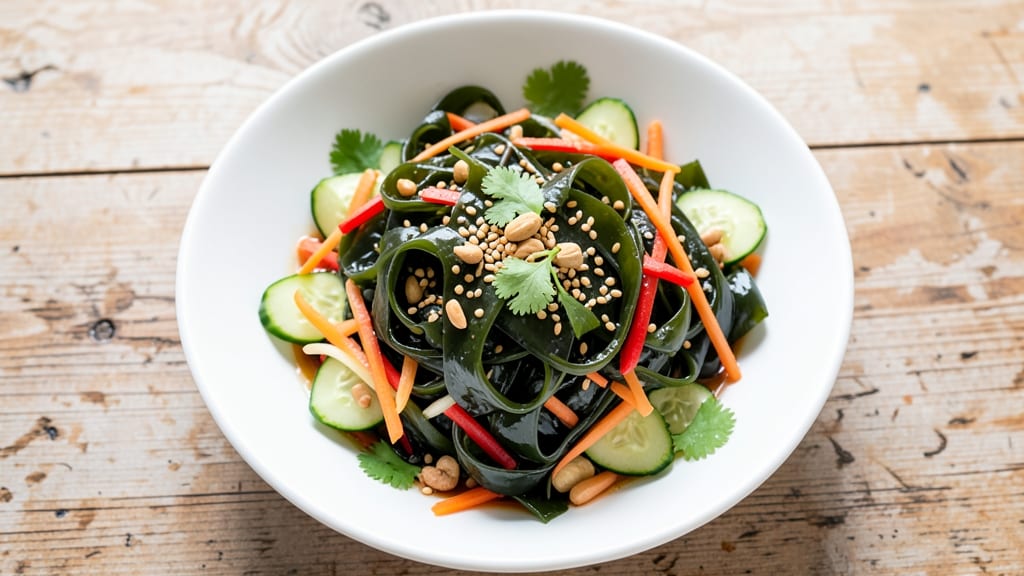
This Chinese seaweed salad recipe transforms simple ingredients into a vibrant, umami-rich dish that balances crisp textures and bold flavors—perfect for any meal. The secret lies in properly rehydrating the seaweed, which unlocks its natural sweetness and chewy texture, while a zesty sesame-ginger dressing ties everything together.
I developed this version after realizing how often store-bought seaweed salads fall flat, so I focused on fresh, authentic techniques that deliver restaurant-quality results at home.
The beauty of this salad is its versatility—it works as a refreshing side dish, a light lunch, or even a topping for bowls and sushi. Thinly sliced cucumbers and carrots add crispness, while toasted sesame seeds and crushed peanuts bring nutty depth.
The dressing, a blend of rice vinegar, soy sauce, and a touch of honey, creates the perfect balance of tangy, salty, and slightly sweet notes that make every bite addictive. What’s more, this recipe comes together in just 10 minutes, making it ideal for busy weeknights or last-minute entertaining.
What sets this salad apart is the attention to texture—each component is prepared to maximize crunch and freshness. The seaweed should be tender but still hold its shape, the vegetables should snap when bitten, and the dressing should coat everything lightly without overwhelming the delicate flavors.
The result is a dish that’s as visually stunning as it is delicious, with layers of color and contrast that make it a standout on any table.
Whether you’re serving it as a side or a main, this salad delivers a satisfying crunch and a burst of umami that will have everyone asking for seconds.
For an extra touch of sophistication, consider garnishing with thinly sliced scallions or a sprinkle of chili flakes for a hint of heat. This salad also pairs beautifully with grilled meats, steamed fish, or even as a topping for ramen or pho.
The key is to assemble it just before serving to keep everything crisp, ensuring that every bite is as fresh and vibrant as the first. Let’s get started on creating this umami-packed masterpiece!
Ingredients for chinese seaweed salad
Fresh seaweed, crisp veggies, and nutty crunch combine for this vibrant umami salad in minutes.
| Ingredient | Amount | Notes |
|---|---|---|
| Dried Wakame Seaweed 🍃 | 2 oz | Rehydrated in warm water |
| English Cucumbers 🥒 | 1 medium | Thinly sliced lengthwise |
| Carrots 🥕 | 2 medium | Julienned or matchstick cut |
| Red Bell Pepper 🌶️ | ½ cup | Thinly sliced, seeds removed |
| Toasted Sesame Seeds 🥜 | 2 tbsp | Store-bought or homemade |
| Crushed Peanuts 🥜 | ¼ cup | Lightly toasted for crunch |
| Rice Vinegar 🍶 | 3 tbsp | Seasoned preferred for depth |
| Soy Sauce 🥢 | 2 tbsp | Low-sodium preferred |
| Sesame Oil 🫒 | 1 tbsp | Toasted sesame oil preferred |
| Fresh Ginger 🧄 | 1 tsp | Finely grated, fresh preferred |
| Maple Syrup 🍯 | 1 tsp | Substitute agave if preferred |
| Scallions 🧅 | 3 whole | Thinly sliced for garnish |
| Red Chili Flakes 🌶️ | ½ tsp | Optional for heat |
| Sesame Oil (for toasting) 🫒 | 1 tsp | For toasting peanuts/seeds |
The seaweed is the star—dried wakame from Asian markets or the international aisle delivers the best texture. Soak it in warm water for 5-7 minutes until tender but still holding shape. Fresh cucumbers and carrots should be crisp and firm—avoid pre-sliced versions that wilt fast. For the sesame seeds and peanuts, toast them in a dry pan until golden for maximum flavor. If you can't find toasted sesame oil, lightly toast regular sesame oil in a cool pan to remove the raw taste before using in the dressing.
No sesame seeds? Sunflower seeds or pumpkin seeds work in a pinch, though texture differs slightly. Short on peanuts? Toasted cashews or walnuts add richness without overpowering. The dressing ratio is key—adjust maple syrup to taste if you prefer less sweetness. For extra depth, add 1 tsp of mirin to the dressing. The bell pepper adds color and a mild sweetness, but red onion works too if you prefer a sharper bite. Always taste the dressing before tossing—balance is everything here.
Store prepped veggies in airtight containers with paper towels to absorb moisture—keeps them crisp for 2 days. The dressing separates if stored separately, so toss it together right before serving. For longer storage, keep components separate and assemble when ready. The seaweed can be rehydrated and stored in the fridge for 3 days in its soaking liquid. Garnishes like scallions and chili flakes should be added fresh to maintain their bright flavors.
Why You'll Love This Recipe
- No-Chop Day Hero: I swear by this when I’m too tired to julienne carrots or slice cucumbers. Toss in pre-shredded carrots and thinly sliced cucumbers straight from the bag—no knife skills required. The wakame just soaks up the dressing while you’re doing it, so it’s truly hands-off.
- Umami Crunch Magic: That first bite? The wakame’s ocean-y depth paired with the bright, crunchy veggies and nutty sesame seeds—it’s like a flavor party in your mouth. Honestly, the dressing (soy, sesame oil, rice vinegar) does all the heavy lifting, but the texture? Chef’s kiss.
- Lunchbox Legend: Between us, this is my go-to for packed lunches or potlucks. It holds up for days in the fridge, stays crisp (no soggy lettuce here), and I’ve even brought it to BBQs as a side—no one bats an eye. Plus, kids won’t complain about the veggies when they’re hidden in that addictive crunch.
- Pocketbook Performer: Wakame is dirt cheap in bulk, and the rest are basic veggies you already buy. A single bag of dried seaweed stretches for weeks of salads, and the carrots/peppers last longer than a sad desk plant. Took me three tries to get the dressing ratio right, but now it’s my secret weapon for stretching groceries without sacrificing taste.
Step-by-step instructions for Chinese seaweed salad
This vibrant salad comes together quickly with precise technique for maximum texture and flavor.
Rehydrate the Dried Wakame Seaweed
Place the 2 oz dried wakame seaweed in a small bowl and cover it with warm water. Let it soak for 5-7 minutes until it expands and becomes tender. The wakame should look plump and dark green, almost like thin strands of seaweed. Drain thoroughly using a fine-mesh strainer, pressing gently to remove excess water—this prevents a soggy salad later.
While the wakame soaks, prepare the remaining ingredients. I find this step works best when done first—it's the foundation of the salad's umami depth. If you're short on time, you can use pre-rehydrated wakame from Asian markets, but the texture won't be as fresh.
Prepare the Vegetable Components
Using a sharp mandoline or chef's knife, thinly slice the 1 medium English cucumber lengthwise into ⅛-inch thick strips. Remove the seeds from the 0.5 cup red bell pepper and slice it into thin strips—about ⅛-inch wide. For the 2 medium carrots, julienne them into matchstick cuts using a peeler or knife.
Transfer all sliced vegetables to a large mixing bowl. Here's the thing—don't overcrowd the bowl. Arrange the vegetables in a single layer if possible, as this allows the dressing to coat each piece evenly. I like to work in batches if needed, but keep them separate until the final toss.
Toast the Peanuts and Sesame Seeds
In a dry skillet over medium heat, add the 0.25 cup crushed peanuts and 2 tbsp toasted sesame seeds. Toast for 2-3 minutes, stirring constantly, until the peanuts are lightly golden and fragrant. Remove from heat immediately—they'll continue cooking from residual heat.
Transfer the toasted mixture to a small bowl and set aside. This step adds crucial texture contrast to the salad. If you're using store-bought toasted sesame seeds, skip this step for them but still toast the peanuts fresh—their aroma makes all the difference in this dish.
Make the Dressing and Combine
In a small bowl, whisk together the 3 tbsp rice vinegar, 2 tbsp soy sauce, 1 tbsp sesame oil, 1 tsp finely grated fresh ginger, 1 tsp maple syrup, and 0.5 tsp red chili flakes (if using). The dressing should be smooth with a slightly thick consistency—this ensures it clings to the vegetables without pooling.
Add the drained wakame seaweed to the vegetable mixture in the large bowl. Pour the dressing over the vegetables and toss gently but thoroughly. The salad should look vibrant with the wakame's deep green strands interspersed among the vegetables. Let it marinate for 5 minutes at room temperature before serving.
Assemble and Garnish
Transfer the dressed salad to a serving platter. Sprinkle the toasted peanuts and sesame seeds evenly over the top, then garnish with thinly sliced scallions. The peanuts should be distributed so each bite contains a few pieces for that satisfying crunch.
Serve immediately while the vegetables are still crisp. The salad's flavors develop as it sits, but the texture will soften if left too long. This dish balances perfectly with grilled proteins or as a light meal on its own—each bite delivers umami from the wakame, sweetness from the maple syrup, and satisfying crunch from the peanuts.
Pro Tips For Making Chinese Seaweed Salad
- SOAK WAKAME 10 MINUTES: Dried wakame expands fast—start with 8 minutes in cold water, then taste. If it’s still tough, add 2 more minutes. Over-soaking turns it mushy, and no one wants that.
- PEEL CARROTS IN STRIPS: Use a vegetable peeler to shave off thin strips instead of peeling the whole thing. Keeps more texture, looks prettier, and saves you from staring at a pile of carrot scraps.
- DICE CUCUMBERS SMALL: Cut English cucumbers into ½-inch cubes, not thick slices. They’ll hold their shape better in the dressing and won’t turn into a soggy mess after 30 minutes.
- TOAST SESAME SEEDS LOW: Toast sesame seeds in a dry pan over low heat, stirring constantly. High heat burns them before they brown—you want golden, not bitter. Three minutes max.
Pro cooking tips for this recipe
Seaweed Rehydration
Never skip the warm water soak—cold water takes too long and leaves seaweed tough. Use water just off the boil (about 180°F) and soak for exactly 5-7 minutes. Over-soaking turns wakame mushy, while under-soaking leaves it chewy.
I drain it in a colander and give it a gentle squeeze to remove excess water before adding to the salad. This step makes all the difference in texture. 💫
Vegetable Prep
Uniform slicing ensures even crunch in every bite. Use a mandoline set to ⅛-inch for cucumbers and bell peppers—it's faster than a knife and gives consistent slices.
For carrots, I find a peeler works best for julienne cuts. Arrange veggies in a single layer before tossing with dressing to prevent sogginess. 🥕
Dressing Balance
The magic ratio is 3:2:1 for vinegar, soy sauce, and sesame oil. Taste as you go—add more ginger if you want zing or extra maple syrup for sweetness. I always whisk vigorously to emulsify the oil.
The dressing should coat a spoon but not drip. This creates that perfect umami-sweet balance that makes the salad addictive. 🍶
Toasted Crunch
Never skip toasting the peanuts—they need just 2-3 minutes over medium heat until golden. Watch closely to avoid burning. Store-bought toasted sesame seeds are fine, but fresh toasted ones add depth.
I like to mix them with the peanuts right before serving so they stay crisp. This step transforms an ordinary salad into something extraordinary. 🥜
Timing Secrets
Assemble the salad just before serving—veggies lose crispness in 15 minutes. If prepping ahead, store components separately in airtight containers with paper towels to absorb moisture. The dressing should be made fresh and tossed last minute. This keeps everything vibrant and full of texture. 💡
Garnish Like a Pro
Distribute peanuts and sesame seeds evenly for balanced bites. Thinly slice scallions on a bias for extra color. Add chili flakes last if using—this lets you control heat per serving. The presentation should look as delicious as it tastes, with contrasting colors and textures. 🌟
Nutrition facts
Frequently asked questions
Can I use any type of dried seaweed for this recipe?
Wakame is ideal for its tender texture and mild umami flavor, but you can substitute with dried hijiki or arame. Avoid kelp or nori sheets—they have very different textures. Always rehydrate according to package instructions, as soaking times vary.
How do I keep the vegetables extra crisp?
Slice cucumbers and carrots just before assembling, and pat them completely dry with paper towels. Use a mandoline for even slices and store prepped veggies in airtight containers with paper towels to absorb moisture. Add dressing right before serving to maintain crunch.
Is this salad gluten-free?
Yes, this recipe is naturally gluten-free as long as you use tamari instead of regular soy sauce. Double-check your sesame seeds and peanuts for cross-contamination warnings if needed. The dressing ingredients are all gluten-free by default.
Can I make this ahead of time?
Prep all components separately and store them in airtight containers with paper towels. Keep the seaweed rehydrated in its soaking liquid (up to 3 days) and make the dressing fresh. Assemble just before serving to preserve texture. The flavors meld beautifully when combined fresh.
What if I don't have sesame oil?
Use avocado oil or neutral oil in a pinch, but toast it lightly in a cool pan to remove any raw taste. The flavor won't be identical, but it'll still work. For best results, try to find toasted sesame oil—it adds that authentic nutty depth.