
Salads
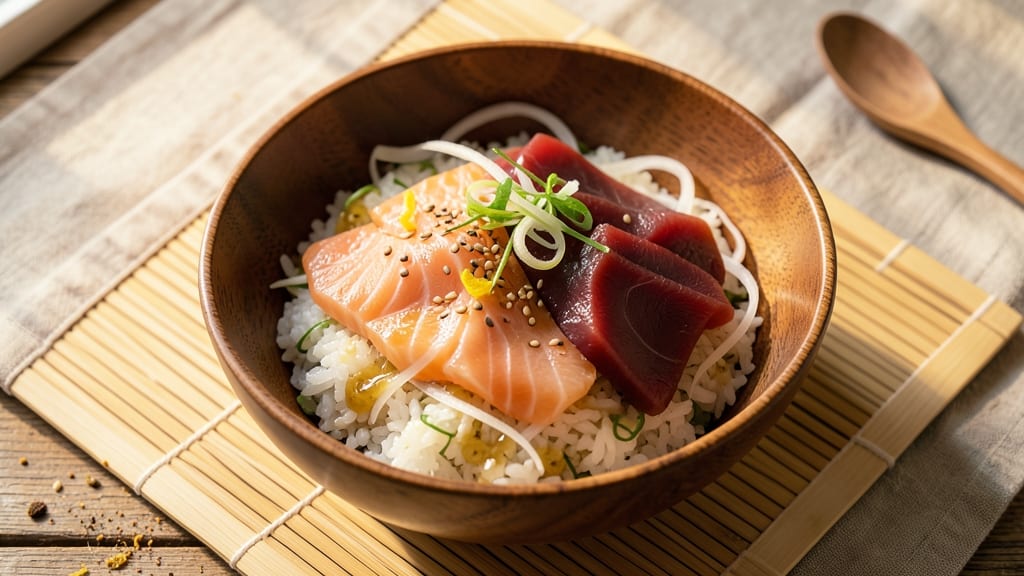
This chirashi sushi salad recipe transforms simple rice into a visually stunning, protein-packed bowl that captures the essence of Japanese cuisine. The foundation starts with perfectly seasoned sushi rice—vined with rice vinegar, sugar, and salt—creating a delicate balance of sweetness and tang that keeps every grain distinct.
What sets chirashi apart is the artful arrangement of fresh toppings: silky slices of raw salmon or tuna, crisp cucumber ribbons, creamy avocado, and pickled ginger for brightness.
The beauty of this dish lies in its customization—swap seafood for grilled chicken or tofu for a vegetarian version, or load it with your favorite veggies like shredded carrots or sesame seeds.
The key to success is fresh, high-quality ingredients and precise slicing techniques that highlight each component’s texture and color. For those new to raw fish, I’ll include safety tips to ensure your toppings are handled properly while maintaining that signature chirashi presentation.
What you’ll end up with is a vibrant, restaurant-quality bowl that’s as delicious as it is beautiful—each bite delivers perfectly seasoned rice topped with fresh, flavorful proteins and crunchy vegetables.
The presentation is just as important as the taste, so I’ll walk you through traditional plating methods to make your chirashi salad look as impressive as it tastes. Ready to elevate your rice bowl game?
This recipe isn’t just a salad—it’s a complete meal that balances protein, vegetables, and carbs in every bite. Whether you’re serving it for a weeknight dinner or a special occasion, the techniques here ensure your chirashi salad is both authentic and adaptable to your preferences. Let’s get started!
Ingredients for chirashi salad
Fresh sushi rice, silky proteins, and vibrant toppings—this is your chirashi sushi salad foundation.
| Ingredient | Amount | Notes |
|---|---|---|
| Sushi Rice 🍚 | 3 cups | Short-grain, cooked and seasoned |
| Raw Salmon Slices 🐟 | 8 oz | Sashimi-grade, thinly sliced |
| Raw Tuna Slices 🐟 | 8 oz | Sashimi-grade, thinly sliced |
| Japanese Rice Vinegar 🍶 | ⅓ cup | For seasoning rice |
| Granulated Sugar 🍚 | ¼ cup | For rice seasoning |
| Sea Salt 🧂 | 1 ½ tsp | For rice seasoning |
| English Cucumber 🥒 | 1 whole | Julienned into ribbons |
| Ripe Avocado 🥑 | 1 whole | Pitted, sliced into wedges |
| Pickled Ginger 🍯 | ¼ cup | Thinly sliced for garnish |
| Sesame Seeds 🌾 | 1 tbsp | Toasted for garnish |
| Sesame Oil 🫒 | 1 tbsp | For drizzling |
| Lemon Juice 🍋 | 1 tbsp | Freshly squeezed |
| Wasabi Paste 🌶️ | ½ tsp | Optional for serving |
The sushi rice is non-negotiable here. Koshihikari or Calrose are my go-tos—they stick together perfectly when seasoned. Grab a bag at H-Mart or your local Asian market for the best texture. If you're using day-old rice, spread it on a tray to dry out slightly before seasoning. The vinegar, sugar, and salt ratio is critical: too much vinegar makes it sharp, too little and it's bland. Miyoko's rice vinegar is my favorite—bright and clean without overpowering. Pro tip: use a wooden rice paddle to gently fold in the seasoning; it keeps the grains intact better than metal utensils.
No sashimi-grade fish? High-quality frozen sushi-grade salmon or tuna works in a pinch—thaw it properly in the fridge overnight. The cucumber should be crisp, so look for ones that are firm and bright green. If you can't find English cucumbers, Persian cucumbers work too, just peel them first. Avocado is best when it yields slightly to gentle pressure—no need for rock-hard or mushy ones. For the pickled ginger, Japanese-style from H-Mart has the perfect balance of sweet and tangy. If you're feeling bold, try adding thinly sliced shiso leaves for an authentic touch. The sesame seeds should be toasted in a dry pan until golden—just 30 seconds over medium heat.
Store the seasoned rice in an airtight container with parchment paper between layers for up to 3 days in the fridge. The raw fish should be kept on ice until serving, and consumed within 2 hours of slicing. Avocado and cucumber toppings stay fresh for 1 day if sealed tightly. For the full chirashi experience, serve in individual bowls with a small dish of wasabi paste on the side. This dish is best enjoyed immediately after assembly—each component should be at its peak freshness. If prepping ahead, keep the toppings and rice separate until serving.
Why You'll Love This Recipe
- No-Cook Topping Magic: The salmon and tuna just rest on the rice—no frying, no waiting. Honestly, the hardest part is slicing the fish thin enough (and even then, I cheat with pre-cut sashimi sometimes). That tangy vinegar-sugar mix? Drizzle it on last minute, and suddenly you’ve got restaurant-level presentation with zero effort.
- Umami Bomb in a Bowl: That first bite of raw tuna on warm, slightly sticky sushi rice? Between us, it’s dangerously good. The vinegar-sugar dressing cuts through the richness like a cool breeze, and the salmon adds this delicate sweetness that makes you forget it’s even healthy. (Yes, even on a Tuesday night.)
- Lunchbox Hero: Pack this for work or school—it’s the only salad that won’t wilt by noon. The rice stays fluffy, the fish stays fresh (if you prep it right), and no one will judge you for eating it cold. My daughter picks out the salmon first, but still asks for seconds. (Kids are weird like that.)
- Leftovers That Lie: This salad actually tastes better the next day. The rice absorbs the dressing flavors overnight, and the fish keeps its texture—no sad, mushy sushi here. I’ll be real: I make a big batch on Sunday, and by Wednesday, it’s my go-to “I don’t wanna cook” meal. Budget-friendly? Absolutely. Waste-free? Even better.
Step-by-step instructions for chirashi sushi salad
Here's how to assemble this vibrant, protein-packed rice bowl with restaurant-quality technique.
Prepare the Seasoned Sushi Rice
Start with the 3 cups of sushi rice you've already cooked according to package instructions. While still warm, transfer the rice to a large mixing bowl. In a small bowl, whisk together the 0.33 cup Japanese rice vinegar, 0.25 cup granulated sugar, and 1.5 tsp sea salt until the sugar and salt dissolve completely. This creates a delicate, sweet-savory dressing that will infuse the rice perfectly.
Pour the vinegar mixture evenly over the warm rice and gently fold with a rice paddle or spatula. Be careful not to mash the grains—you want them to remain separate and distinct. The rice should glisten slightly from the vinegar and look evenly coated. Let it cool to room temperature before assembling your salad, which helps prevent sogginess from the fresh toppings.
Arrange the Protein and Garnishes
Spread the seasoned rice evenly across 4 serving bowls or plates, creating a base about 1 inch thick. Arrange the 8 oz raw salmon slices and 8 oz raw tuna slices artfully on top of the rice, alternating between the two proteins for visual appeal. I like to fan them out slightly so each slice is visible and accessible. The raw fish should look vibrant and fresh—this is your centerpiece.
Next, create ribbons from the 1 whole English cucumber using a vegetable peeler, then scatter them evenly over the rice and fish. Slice the 1 whole ripe avocado into wedges and place them around the perimeter of each bowl. The avocado's creamy texture contrasts beautifully with the crisp cucumber and delicate fish. Finally, sprinkle the 0.25 cup pickled ginger slices over the top for a pop of color and tangy contrast.
Finish with Flavorful Drizzles
Lightly toast the 1 tbsp sesame seeds in a dry skillet over medium heat for about 1 minute until fragrant, then sprinkle them evenly over each salad. Drizzle the 1 tbsp sesame oil in a zigzag pattern across the top, allowing it to pool slightly in the crevices. Finish with the 1 tbsp freshly squeezed lemon juice, which brightens all the flavors and prevents the avocado from browning.
For serving, I recommend offering the 0.5 tsp wasabi paste on the side for those who prefer a spicy kick. The wasabi enhances the umami flavors of the fish without overpowering the delicate balance of the dish. Serve immediately while the rice is still warm and the toppings are at their freshest—this salad is best enjoyed within 20 minutes of assembly.
Pro Tips For Making Chirashi Salad
- CHILL THE FISH FIRST: Your sushi-grade salmon and tuna need to be ice-cold before slicing—pull them from the fridge 30 minutes before serving and place them on a bed of ice. I learned this the hard way when my first batch of slices warmed up too fast, turning rubbery within 10 minutes of plating. Cold fish stays firm and slices cleaner, which matters more than you’d think for presentation.
- ACIDIFY THE RICE VINEGAR: Mix your Japanese rice vinegar with sugar before adding it to the rice—let it sit for 5 minutes to dissolve completely. I used to just toss in the dry sugar and stir, leaving grainy bits that ruined the texture. A quick shake in a small cup first guarantees a silky dressing that clings to every grain.
- USE A SHARP KNIFE, NOT A CLEAN ONE: Wipe your sushi knife with a damp towel between cuts, not under running water—water dulls the edge instantly. I wasted a perfectly good knife (and my patience) by rinsing it mid-slice. A quick wipe keeps the blade sharp enough to glide through raw fish without tearing, which is non-negotiable for chirashi.
- FLOSS THE RICE GRINS: Sprinkle a pinch of salt over the warm sushi rice before adding the vinegar mixture—this opens up the grains so they absorb flavor better. Sounds weird, but it works: my rice used to stay clumpy until I tried this, and now it’s light and separate every time. (Yes, even if you’re impatient like me.)
Perfect pairings for these flavors
Traditional Japanese Sides
Pair your chirashi salad with classic Japanese accompaniments to create a full meal experience. Sunomono—a refreshing cucumber and wakame salad with a tangy dressing—adds a crisp, light contrast.
I like to make it with 1 tbsp rice vinegar, 1 tsp sugar, and ½ tsp salt tossed with thinly sliced cucumber and dried seaweed. For a heartier option, serve with miso soup—its umami-rich broth complements the delicate flavors of the salad beautifully. 🍜
Crispy Tempura Bites
Add a satisfying crunch with tempura-fried shrimp or vegetables. Lightly batter 6 oz shrimp in ½ cup tempura batter mix (like Kikkoman) and fry in 350°F oil until golden.
The crispy texture contrasts perfectly with the soft rice and fresh toppings. For a vegetarian twist, try tempura zucchini—it’s equally delicious and adds vibrant color to the plate. 🍤
Matcha Green Tea
Sip on ceremonial-grade matcha green tea to cleanse your palate between bites. The earthy, slightly bitter notes of matcha balance the richness of the salmon and tuna while enhancing the dish’s Japanese essence.
I recommend Ippodo Tea for the smoothest, most vibrant matcha. Serve it chilled in a chawan bowl for an authentic experience. ☕
Pickled Vegetable Medley
Brighten your plate with quick-pickled vegetables like radishes, carrots, and daikon. Thinly slice 1 cup mixed veggies, then toss with 2 tbsp rice vinegar, 1 tsp sugar, and ½ tsp salt.
Let them sit for at least 30 minutes before serving. The tangy crunch cuts through the creaminess of the avocado and fish, adding a refreshing bite. 🥕
Grilled Yakitori Skewers
For a smoky, savory pairing, grill yakitori skewers with chicken thigh pieces marinated in teriyaki sauce (like Kikkoman). Thread 8 oz chicken onto skewers and grill over medium-high heat for 8-10 minutes, basting with extra sauce.
The charred, sticky glaze adds depth to the light, fresh flavors of the chirashi salad. 🔥
Mochi Dessert
End your meal with soft mochi dusted with kinako (roasted soybean flour). The chewy texture and nutty sweetness provide a satisfying finish. I love Daifuku mochi filled with red bean paste for a classic touch. Serve with a cup of hot green tea** to round out the experience. 🍡
Nutrition facts
Frequently asked questions
Can I make chirashi salad with cooked proteins instead of raw fish?
Swap raw salmon and tuna for cooked proteins like grilled shrimp, teriyaki chicken, or miso-glazed tofu. Just slice them thinly and arrange them artfully on top. The key is keeping the toppings fresh—cooked proteins should be cooled completely before adding to prevent soggy rice.
What's the best way to store leftover chirashi salad?
Store the seasoned rice and toppings separately in airtight containers. Keep the rice in the fridge for up to 3 days, while raw fish should be consumed immediately. For cooked proteins, store them separately for 2 days max. Reassemble just before serving to maintain freshness and texture.
How do I make the rice vinegar dressing for the rice?
Mix 0.33 cup Japanese rice vinegar, 0.25 cup sugar, and 1.5 tsp salt until dissolved. The sugar should fully dissolve for even seasoning. Use warm rice to help the dressing absorb better—just fold gently with a wooden paddle to keep grains separate.
Can I use regular white rice instead of sushi rice?
Not ideal for texture, but it works in a pinch! Sushi rice has more starch, which gives it that signature stickiness. If using white rice, increase the vinegar slightly (0.4 cup) and add 1 tsp kuzu powder (if available) to mimic the texture. Expect slightly less cohesion between grains.
What are the best vegetarian protein swaps?
Try marinated tofu, avocado slices, or edamame for protein. For umami depth, add shitake mushrooms or tempura-fried vegetables. The key is balancing textures—keep one crisp (like cucumber) and one creamy (like avocado) for contrast.