
Salads
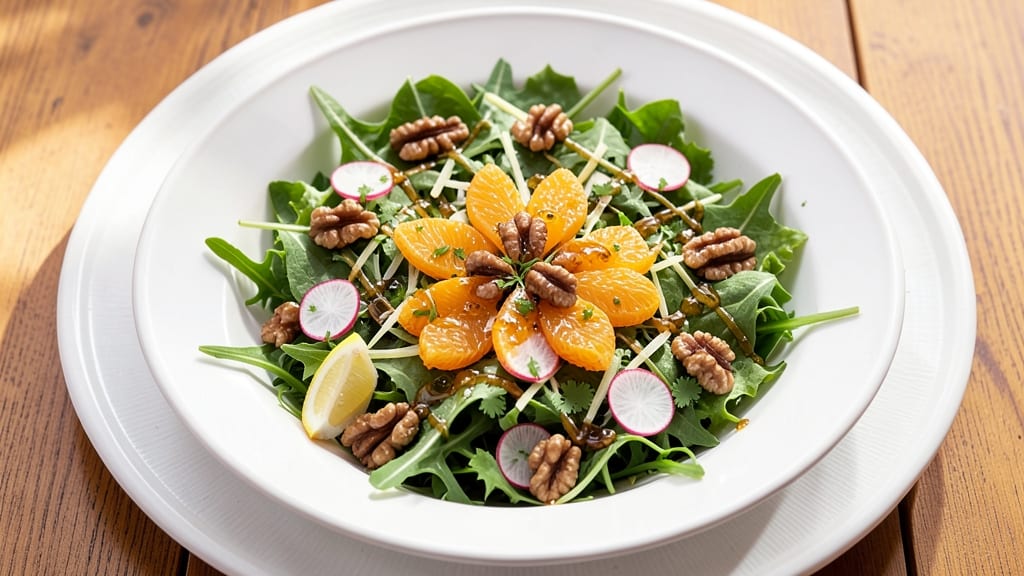
This citrus vinaigrette salad recipe transforms ordinary greens into a vibrant, tangy masterpiece that brightens any meal. The perfect balance of zesty lemon juice, sharp vinegar, and rich olive oil creates a dressing that clings beautifully to leaves while adding a refreshing lift.
I developed this recipe after years of testing—it’s the one that finally made my salads taste restaurant-worthy without the fuss.
The secret lies in the emulsification technique, where citrus zest and fresh herbs blend seamlessly with the oil and vinegar. No blender required—just whisk until smooth, and you’ll achieve a silky texture that stays consistent even after sitting.
This dressing works equally well with arugula, spinach, or mixed greens, and its bright acidity cuts through rich proteins like grilled chicken or steak.
What sets this apart is its versatility and longevity—it keeps in the fridge for up to a week, making it ideal for meal prep. The citrus notes keep it from turning rancid, so you can drizzle it over salads, roasted vegetables, or even use it as a marinade.
The result? A dressing that’s as practical as it is delicious, with a zing that elevates every bite.
Once you try this, you’ll never go back to store-bought again. The recipe is simple, but the impact is undeniable—bright, balanced, and impossible to resist. Let’s get started on the perfect batch.
Ingredients for citrus vinaigrette salad
Bright citrus and tangy vinegar transform simple greens into a restaurant-worthy salad.
| Ingredient | Amount | Notes |
|---|---|---|
| Extra-Virgin Olive Oil 🫒 | ¾ cup | High-quality, fruity variety |
| Fresh Lemon Juice 🍋 | ½ cup | Freshly squeezed, no pulp |
| Apple Cider Vinegar 🍎 | ¼ cup | Sharp and tangy |
| Orange Zest 🍊 | 1 tbsp | Freshly grated orange peel |
| Fresh Lemon Zest 🍋 | 1 tbsp | Freshly grated lemon peel |
| Fresh Flat-Leaf Parsley 🌿 | ¼ cup | Chopped, stems removed |
| Fresh Tarragon 🌿 | 1 tbsp | Chopped, optional but recommended |
| Dijon Mustard 🍯 | 1 tsp | For emulsification |
| Sea Salt 🧂 | ½ tsp | Fine grain preferred |
| Black Pepper 🌶️ | ¼ tsp | Freshly ground |
The olive oil is where you shouldn’t skimp—look for extra-virgin with a fruity, peppery finish at places like Whole Foods or Trader Joe’s. The citrus zest is key for that vibrant pop of flavor, so grab fresh oranges and lemons. I always buy organic when possible—they’ve got more zest and less bitterness. For the vinegar, apple cider vinegar adds a touch of sweetness that balances the sharpness perfectly. If you can’t find tarragon, fresh basil or thyme work in a pinch, though tarragon gives that signature anise-like note.
No fresh tarragon? Dried tarragon at half the amount works, but it’s not the same. Short on lemon juice? Lime juice in a 1:1 swap adds a different zing. The Dijon mustard is non-negotiable for emulsification—it keeps the dressing from separating. If you’re out of Dijon, whole-grain mustard thinned with water does the trick. The parsley can be swapped for cilantro or basil if you prefer, but parsley’s mild flavor lets the citrus shine. And if you’re worried about the dressing separating, just whisk it again before using—it’ll come back together every time.
This dressing keeps beautifully for up to a week in the fridge, sealed tightly in a jar. The citrus zest actually helps preserve it longer than most vinaigrettes. I always make a double batch—one for salads, one for roasted veggies. If it thickens, just add a splash of water or a little more vinegar. And if you’re meal prepping, store the dressing and greens separately to keep everything crisp. Trust me, once you try this, you’ll never buy store-bought again.
Why You'll Love This Recipe
- Five-Ingredient Magic: I swear by this combo—just oil, vinegar, citrus, and zest. No fancy gadgets, no stress, just a whisk and a jar. The orange zest gives it that bright, sunshiny kick without overpowering the sharp tang of the lemon.
- Bright & Tangy: Honestly, the balance here is chef’s kiss—the apple cider vinegar cuts through the richness of the olive oil, while the lemon zest adds this zingy freshness. It’s like a little burst of summer in every bite, and it pairs with everything.
- Meal Prep MVP: Between us, this dressing is my go-to for lunches. Toss it with greens, roasted veggies, or even grilled chicken—it keeps well for days, and the flavors only get better as the citrus mellows. No sad, wilted salads here.
- Budget Brightener: Extra-virgin olive oil and citrus might sound fancy, but they’re actually my wallet’s best friend. A little goes a long way, and you can use whatever’s in season—no splurging required. Plus, the vinegar? That’s the real MVP for stretching the flavor.
Step-by-step instructions for citrus vinaigrette salad dressing
This bright, zesty dressing comes together in minutes with just a whisk and a few simple steps.
Whisk Together the Acidic Base
In a medium bowl, combine the 0.5 cup fresh lemon juice and 0.25 cup apple cider vinegar. Stir well to fully incorporate—this acidic blend forms the foundation of your dressing. The lemon juice should be freshly squeezed with no pulp, as any fibrous bits will make your dressing gritty. I like to press the lemons through a fine-mesh strainer to catch any accidental pulp.
Next, add the 1 tablespoon orange zest and 1 tablespoon fresh lemon zest. These citrus oils will infuse the dressing with aromatic brightness. Use a microplane for the zest—it creates fine, even particles that dissolve beautifully. Give everything another quick stir to distribute the zest evenly throughout the liquid mixture. The combination of orange and lemon zest creates a complex, layered citrus flavor that's more interesting than either one alone.
Add Herbs and Mustard for Emulsification
To the citrus mixture, add the 0.25 cup chopped fresh flat-leaf parsley and 1 tablespoon chopped fresh tarragon. The parsley adds freshness while the tarragon contributes an anise-like depth that pairs beautifully with citrus. Stir these herbs in thoroughly—they should be fully submerged in the liquid. I always use a flexible silicone spatula for this step because it's gentle on the herbs and helps break up any clumps.
Now add the 1 teaspoon Dijon mustard. This is crucial for emulsification—it helps the oil and vinegar blend smoothly rather than separating. The mustard also adds a subtle tang that complements the citrus perfectly. Whisk vigorously for about 30 seconds until the mustard is completely dissolved and the mixture looks uniform. You'll notice the texture becomes slightly thicker as the mustard begins to work its magic.
Gradually Incorporate the Olive Oil
With the bowl still containing your citrus-herb mixture, slowly drizzle in the 0.75 cup extra-virgin olive oil while whisking continuously. This gradual addition is key—adding oil too quickly causes the dressing to separate. I like to pour the oil in a thin, steady stream while whisking in a figure-eight motion. The dressing will look broken and cloudy at first, but keep whisking.
After about 1 minute of continuous whisking, the dressing should begin to emulsify and turn into a smooth, creamy consistency. If it still looks separated, add 1 teaspoon water at a time while whisking until it comes together. The high-quality extra-virgin olive oil should have a fruity aroma that mingles beautifully with the citrus notes. At this point, your dressing should have a vibrant, golden-yellow color with a glossy sheen.
Season and Adjust the Dressing
Add the 0.5 teaspoon sea salt and 0.25 teaspoon black pepper to the emulsified dressing. Taste immediately and adjust the seasoning if needed—I usually find this combination needs just a pinch more salt to balance the acidity. The pepper should be freshly ground for maximum flavor impact. Give the dressing one final whisk to distribute the seasoning evenly.
Let the dressing rest for 5 minutes before using. This resting period allows the flavors to meld together completely. If you're making this ahead of time, store it in an airtight container in the refrigerator for up to 5 days. Before using, give it a good shake—sometimes dressings separate when stored, and a quick whisk will bring it back to its creamy glory. This citrus vinaigrette works beautifully on mixed greens, roasted vegetable salads, or even as a marinade for grilled chicken.
Pro Tips For Making Citrus Vinaigrette Salad
- Whisk Until Emulsified: Stop when the dressing looks like milk, not soup—thin streams that cling to the whisk are your goal. I used to overmix and end up with a greasy puddle, but 10-15 seconds of steady whisking after adding oil is all it takes.
- Use Aged Vinegar: Skip the fresh apple cider vinegar if you’re in a hurry—it’s harsher and overpowers the citrus. The aged kind (like 6+ months) mellows out and blends smoother with the orange zest. (Yes, it’s pricier, but your salad will taste like it.)
- Zest First, Juice Last: Grate the orange and lemon zest directly into the bowl before adding liquids—it blooms the flavor instantly. I learned this after making a batch where the zest sat in the fridge for hours, losing its punch. Freshness matters here.
- Balance the Ratios: Start with 3:1 oil to acid (lemon + vinegar), then taste. If it’s too sharp, add a splash of olive oil; if flat, squeeze in more citrus. I used to eyeball it and end up with a dressing that tasted like either soap or lemonade. A scale or measuring spoons fix this.
Essential equipment for great citrus vinaigrette salad
Whisk Essentials
You don’t need fancy tools for this dressing—just a good-quality whisk with sturdy wires. I recommend a stainless steel whisk (like the OXO Good Grips) for its durability and even dispersion.
Avoid plastic whisks—they can’t handle the vigorous whisking needed for emulsification. For smaller batches, a mini whisk (like Norpro’s 6-inch) works perfectly in a mason jar. 🌟
Measuring Tools
Precision matters with dressings, so invest in a liquid measuring cup with clear markings for the oil and vinegar. For zest and herbs, a small microplane (like Barbour’s) gives you fine, even particles.
A teaspoon and tablespoon measuring spoons are non-negotiable for the mustard, salt, and pepper. I keep my tools in a magnetic knife strip on the fridge for easy access. ⚡
Storage Containers
Store your dressing in an airtight glass jar with a lid—Le Parfait or Mason jars work best. Glass preserves flavor better than plastic and won’t absorb odors. For meal prep, I use a small glass jar with a silicone lid (like Glasslock) to prevent leaks.
Label the jar with the date—this dressing keeps for up to 5 days in the fridge. 💡
Optional Upgrades
For a smoother texture, a small immersion blender (like Magic Bullet’s mini) can help emulsify stubborn batches. If you’re making this often, a scale (like OXO’s digital scale) ensures perfect ingredient ratios.
A fine-mesh strainer catches any zest bits or herb stems before storing. These aren’t essential, but they make the process even easier. ✨
Citrus Prep Tools
A zester or microplane is key for maximum zest yield. I love the Microplane Classic Zester—it’s sharp and easy to clean. For juicing, a handheld citrus reamer (like OXO’s) is faster than a juicer for small batches. Avoid pre-made citrus juice; fresh is non-negotiable for bright flavor. 🍋
Nutrition facts
Frequently asked questions
Can I substitute orange juice for the orange zest?
No, you shouldn't substitute orange juice for zest—they serve completely different purposes. The zest provides aromatic oils that give depth and brightness, while juice adds liquid volume. For the zest's flavor, you could use 1 tablespoon dried orange peel powder (found in specialty stores) or 1 teaspoon orange extract (use sparingly). The texture and complexity will differ, but it'll still add citrus notes.
Why did my dressing separate after storing?
Separation happens when oil and vinegar aren't properly emulsified. Before storing, whisk vigorously for 2 minutes to ensure a thick, creamy texture. If it separates later, just whisk again—it'll come back together. For extra stability, add 1 extra teaspoon Dijon mustard when making it. Store in a glass jar (not plastic) to prevent flavor transfer.
What greens work best with this citrus dressing?
This bright vinaigrette pairs perfectly with bitter or peppery greens that need acidity to balance their flavors. Try arugula, spinach, or radicchio for salads. It also works beautifully with roasted Brussels sprouts, asparagus, or beets. For a sweet contrast, toss with shredded cabbage or mandarin oranges. Avoid delicate greens like butter lettuce—they'll wilt under the acidity.
Can I make this dressing without Dijon mustard?
Yes, but the texture may separate more easily. Replace the 1 teaspoon Dijon with 1 teaspoon whole-grain mustard thinned with 1 teaspoon water or ½ teaspoon honey mixed with 1 teaspoon water. For a mustard-free option, whisk the dressing more vigorously when adding oil, or add 1 teaspoon cornstarch to help stabilize it. The flavor will be slightly different but still delicious.
How much dressing should I make for a salad?
For a standard 8-cup salad, this recipe makes about 1 cup of dressing—enough to generously coat greens without sogginess. Start with ¼ cup dressing for 8 cups greens, then add more to taste. If using hearty greens like kale (which hold dressing better), you can use up to ⅓ cup. Always store extra dressing separately to keep greens crisp.