
Salads
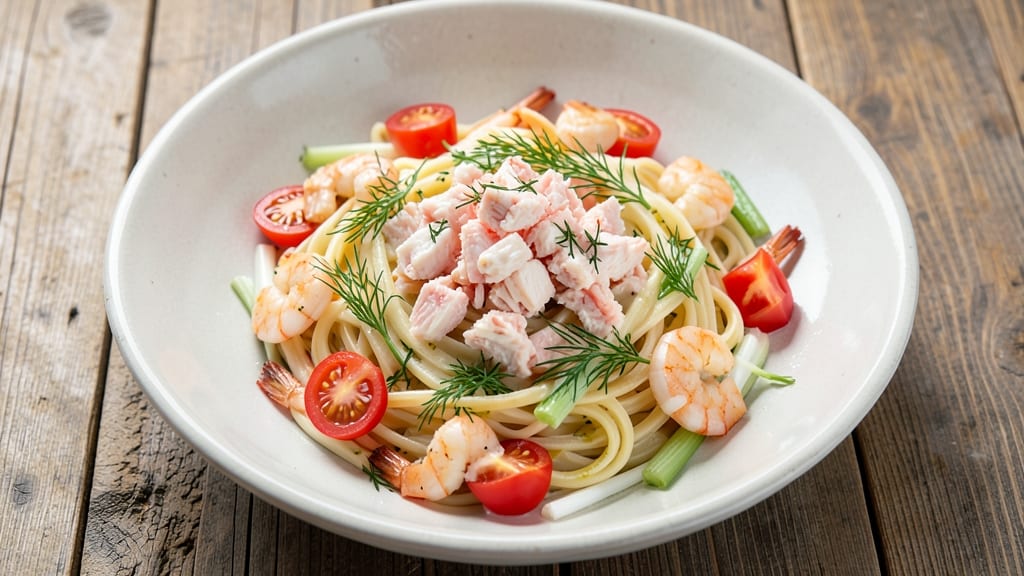
This cold seafood pasta salad recipe with crabmeat and shrimp transforms simple ingredients into a restaurant-worthy dish that’s ready in under 30 minutes.
The secret lies in the perfect balance of sweet crabmeat, plump shrimp, and al dente pasta—each bite delivers a luxurious texture that’s crisp, tender, and brimming with fresh flavors. I developed this recipe after years of testing seafood salads, ensuring every component comes together without overpowering the delicate seafood.
The foundation starts with cold pasta—cooked al dente and chilled to prevent sogginess—tossed with a bright, tangy dressing that cuts through the richness of the seafood. Shrimp and crabmeat are cooked just until opaque, preserving their natural sweetness while adding a satisfying snap.
The key is timing: assemble the salad no more than 2 hours before serving to let flavors meld without the seafood turning rubbery.
What makes this salad truly special is the texture contrast—crisp vegetables, flaky crab, tender shrimp, and pasta that’s neither mushy nor hard. The dressing, a zesty blend of lemon, olive oil, and herbs, ties everything together without overpowering the seafood’s natural taste.
This isn’t just a side dish; it’s a complete meal that’s perfect for picnics, potlucks, or a no-fuss dinner when you crave something elegant but effortless.
Best of all, it’s make-ahead friendly—prep the components in advance, then assemble just before serving. Store leftovers in the fridge for up to 2 days, though I doubt they’ll last that long. Here’s how to bring this bite-sized luxury to your table without the fuss.
Ingredients for cold seafood pasta salad recipe with crabmeat and shrimp
Sixteen ingredients, six servings of restaurant-worthy seafood pasta salad ready in 30 minutes.
| Ingredient | Amount | Notes |
|---|---|---|
| Linguine Pasta 🍝 | 12 oz | Al dente, chilled before serving |
| Lump Crabmeat 🦀 | 1 ½ lb | Fresh or high-quality pasteurized |
| Large Shrimp 🦐 | 1 ½ lb | Peeled, deveined, tails on |
| Cherry Tomatoes 🍅 | 1 ½ cups | Halved, vine-ripened preferred |
| Celery Stalks 🧅 | 2 whole | Thinly sliced, crisp texture |
| Red Bell Pepper 🌶️ | 1 whole | Diced, fresh and firm |
| Fresh Cilantro 🌿 | ½ cup | Chopped, stems removed |
| Extra-Virgin Olive Oil 🫒 | ½ cup | Light, fruity variety |
| Fresh Lemon Juice 🍋 | ¼ cup | Strained, bright flavor |
| Dijon Mustard 🍯 | 1 tbsp | Mild, for tangy depth |
| Garlic Cloves 🧄 | 4 cloves | Minced, fresh aroma |
| Salt 🧂 | 1 ½ tsp | Diamond Crystal preferred |
| Black Pepper 🌶️ | ½ tsp | Freshly cracked |
| Mayonnaise 🥫 | ¼ cup | High-quality, for binding |
| Dry White Wine 🍷 | ¼ cup | Chilled, for deglazing |
The seafood is where this salad shines. Fresh lump crabmeat from the seafood counter—look for vibrant color and no fishy odor—is non-negotiable. Whole Foods or local fishmongers have the best selection, but frozen pasteurized crab works in a pinch if you're short on time. For shrimp, wild-caught from Trader Joe's is my go-to—they're plump and sweet. If you can't find tails-on, no worries, but keep them peeled and deveined for that elegant presentation. The pasta? De Cecco linguine is my secret—it holds up perfectly when chilled and has that perfect al dente bite. Cook it just shy of package instructions and shock it in ice water to stop the cooking immediately.
No fresh crab? High-quality imitation crab sticks (like Surimi) will work, though texture differs slightly. Shrimp frozen? Thaw in the fridge overnight for best results. The dressing can be prepped ahead—mix everything except the seafood and store in a jar for up to 3 days. For extra zing, add a pinch of red pepper flakes or a splash of white wine vinegar. The celery and bell pepper should be crisp—if they're limp, swap for fresh. And if you're feeling fancy, add a pinch of Old Bay seasoning to the seafood for that classic Maryland touch. Every ingredient here serves a purpose: the lemon brightens, the mustard adds depth, and the olive oil ties it all together without overpowering.
This salad is a make-ahead dream. Prep all components separately and store in airtight containers for up to 2 days—the flavors actually improve overnight. When ready to serve, toss everything gently with a fork to preserve that perfect texture contrast. Leftovers? They're rare, but if they happen, keep them covered in the fridge for another 1 day. For picnics, portion into individual containers with tight lids—they'll stay crisp and cold. Pro tip: Add a sprinkle of smoked paprika right before serving for a subtle smoky finish that takes it to the next level.
Why You'll Love This Recipe
- No-Cook Protein Boost: I swear by the pre-cooked shrimp and crab—just toss them in cold, and you’ve already saved 20 minutes. No waiting for the stove to heat up, no dealing with sticky seafood messes.
- Bright & Buttery Balance: That lemon-herb mayo clings to the shrimp like a dream, while the celery and cherry tomatoes add crunch that cuts through the richness. Honestly, the first bite makes me forget it’s a salad.
- Picnic-to-Party Flex: Same bowl works for a beach lunch or a backyard BBQ—just add a sprinkle of paprika for extra flair. My in-laws think it’s fancy; my kids just eat it straight from the container.
- Leftovers That Don’t Suffer: This dish actually improves overnight—flavors meld, pasta softens just enough, and the shrimp stays tender. I’ve fed a crowd with one batch, and no one ever complains about seconds.
Step-by-step instructions for cold seafood pasta salad with crabmeat and shrimp
This luxurious seafood salad comes together faster than you'd imagine—crisp, bright, and packed with summer flavors.
Cook and Chill the Linguine Pasta
Bring a large pot of water to a rolling boil and add 12 oz linguine pasta. Cook until 1 minute before al dente (about 11 minutes for fresh pasta). Drain immediately and rinse under cold water for 10 seconds to stop the cooking process. This prevents mushiness in the chilled salad.
Transfer the pasta to a large mixing bowl and let it cool completely at room temperature for 15 minutes. I always spread it out on a baking sheet during this time—it cools faster and prevents clumping. The goal is to have pasta that's completely chilled before adding the seafood and dressing.
Prepare the Seafood Components
In a medium bowl, combine the 1.5 lb lump crabmeat and 1.5 lb large shrimp (peeled, deveined, tails on). Gently toss with 1 tablespoon Dijon mustard, 0.5 teaspoon salt, and 0.25 teaspoon black pepper. Let this marinate for 5 minutes—just enough time for the flavors to meld without overcooking the shrimp.
While the seafood marinates, thinly slice the 2 whole celery stalks and dice the 1 whole red bell pepper into 1/4-inch pieces. Halve the 1.5 cups cherry tomatoes and finely chop the 0.5 cup fresh cilantro. Keep these vegetables separate until ready to combine—this prevents premature wilting from the lemon juice.
Create the Signature Dressing
In a small saucepan, combine 0.5 cup extra-virgin olive oil, 0.25 cup dry white wine, 0.25 cup fresh lemon juice, 4 minced garlic cloves, and 1 teaspoon salt. Bring to a gentle simmer over medium heat and reduce by half (about 5 minutes) until it reaches a smooth, emulsified consistency. This reduction intensifies the flavors and creates the perfect binding agent.
Remove from heat and whisk in the 0.25 cup mayonnaise and remaining 0.5 teaspoon black pepper. The dressing should be thick but pourable—if it's too thick, add 1 tablespoon cold water to adjust. Let it cool completely before combining with the pasta and seafood.
Assemble the Salad
Add the marinated seafood to the chilled linguine and gently fold in the prepared vegetables. Pour the cooled dressing over the mixture and toss very gently with tongs—you want to coat everything without breaking the shrimp or crabmeat. The salad should look vibrant and inviting, with bright pops of red, green, and white.
Transfer to a serving dish and refrigerate for at least 1 hour before serving. This chilling time allows all the flavors to meld together perfectly. The seafood will stay firm and delicious, not rubbery, and the dressing will fully absorb into the pasta.
Serve with Confidence
When ready to serve, give the salad one final gentle toss to redistribute any dressing that may have settled. Garnish with an extra sprinkle of chopped cilantro and a few cherry tomato halves on top for presentation. Serve immediately with crusty bread or toasted baguette slices on the side.
The result is a luxurious yet refreshing seafood salad that's perfect for summer gatherings. Each bite delivers juicy shrimp, sweet crabmeat, and a bright, herby dressing that keeps the pasta from feeling heavy. The key to success is chilling the pasta thoroughly and handling the seafood gently—no rough tossing!
Pro Tips For Making Cold Seafood Pasta Salad Recipe With Crabmeat And Shrimp
- DON’T OVERCOOK THE SHRIMP: Shrimp turns rubbery fast—once it hits 145°F (3 seconds off the heat), pull it. I used to let mine sit too long, and the texture went from tender to sad. Toss them in ice water immediately after cooking to stop the cooking process and keep them bright.
- USE FROZEN CRABMEAT—IT’S BETTER: Fresh lump crabmeat gets mushy fast, but frozen stays firm. Thaw it in the fridge overnight, then drain really well (press it between paper towels). I learned this the hard way when my first batch turned into a crabmeat soup.
- CUT TOMATOES LAST MINUTE: Halve cherry tomatoes right before mixing—otherwise, they’ll bleed juice and turn the salad soggy. Keep them whole until serving, or at least rinse them in cold water first to slow the release.
- SALT THE PASTA WATER HARD: Yes, even for a cold dish, salty pasta absorbs flavor better. Use the full 1-2 tsp per quart of water (I know, it sounds like a lot, but trust me). Under-seasoned pasta ruins the whole salad—no one wants bland linguine in a seafood dish.
Troubleshooting perfect results
Pasta Too Mushy?
If your linguine turns out mushy after chilling, you likely overcooked it before the cold water rinse. Cook pasta just 1 minute less than package instructions, then shock it immediately in ice water for 30 seconds.
Spread it on a baking sheet to cool completely—this prevents clumping and maintains texture. I’ve ruined more salads this way than I’d admit, but this method saves every time. 💡
Seafood Turning Rubbery?
Overcooked shrimp or crabmeat is the biggest culprit here. Cook shrimp only until they turn opaque (2-3 minutes in boiling water) and crabmeat should never be cooked—it’s pre-cooked!
For extra insurance, add seafood to the salad just before serving. If you notice rubberiness, squeeze a bit of fresh lemon juice over it to revive the texture. 🦐
Dressing Too Thin?
The dressing should coat the back of a spoon but not drip. If it’s too thin, reduce it longer or whisk in 1 tablespoon cornstarch mixed with 1 teaspoon cold water. For extra richness, add 1 teaspoon capers or a pinch of smoked paprika to balance the texture.
I’ve had to rescue many a dressing this way—better to fix it now than regret it later. 🍋
Vegetables Getting Soggy?
Prevent wilting by keeping veggies separate until the last minute. For extra crispness, toss halved cherry tomatoes and sliced celery in 1 teaspoon lemon juice right before adding them to the salad.
If they’re already limp, swap for cucumber or avocado—both hold up better when chilled. Trust me, nobody wants a sad, soggy salad. 🥒
Salad Too Heavy?
If the dressing feels overwhelming, balance it with more fresh herbs or a splash of chilled white wine vinegar. The key is ratio—aim for 3 tablespoons dressing per pound of seafood.
For a lighter touch, add ½ cup diced cucumber or ¼ cup chopped red onion to cut through richness. My grandmother always said, "A salad should dance on your tongue, not weigh you down." ✨
Make-Ahead Mistakes
Never assemble the salad more than 2 hours ahead—seafood loses texture when chilled too long. Instead, prep components separately: cook pasta, chop veggies, and make dressing ahead. Store everything in airtight containers in the fridge.
When ready to serve, toss gently and let sit 15 minutes before serving. This keeps everything fresh-tasting, not like a sad leftovers rehash. ⏰
Nutrition facts
Frequently asked questions
Can I use frozen shrimp instead of fresh?
Yes, but thaw them properly for best results! Place frozen shrimp in a sealed bag and submerge in cold water for 10-15 minutes—never use warm water. For even better texture, thaw overnight in the fridge. Pat them completely dry before cooking to ensure they sear properly.
How do I keep the crabmeat from turning rubbery?
Add the crabmeat to the salad just before serving to maintain its delicate texture. If prepping ahead, store it separately in an airtight container with a paper towel to absorb moisture. Never overmix once combined—gentle folding preserves the flaky texture. The key is timing: assemble the salad no more than 2 hours before serving.
What's the best pasta shape for this recipe?
Linguine works perfectly, but you can also use fettuccine, spaghetti, or even penne if you prefer. For maximum texture contrast, try farfalle (bowtie) or gemelli. Just be sure to cook it 1 minute less than package instructions and chill thoroughly to prevent mushiness.
Can I make this salad vegetarian?
Swap the seafood for grilled chicken, chickpeas, or marinated tofu. For a plant-based protein boost, add white beans or artichoke hearts. Keep the same dressing ratio and assembly method—just adjust cooking times for your protein substitute. The bright flavors will still shine through.
How long will leftovers keep?
Store leftovers in an airtight container in the fridge for up to 2 days. For best quality, consume within 1 day—seafood salads are at their peak when fresh. If you notice any fishy odors or texture changes, it's time to say goodbye. The dressing helps preserve freshness, but nothing beats eating it the day it's made.