Salads
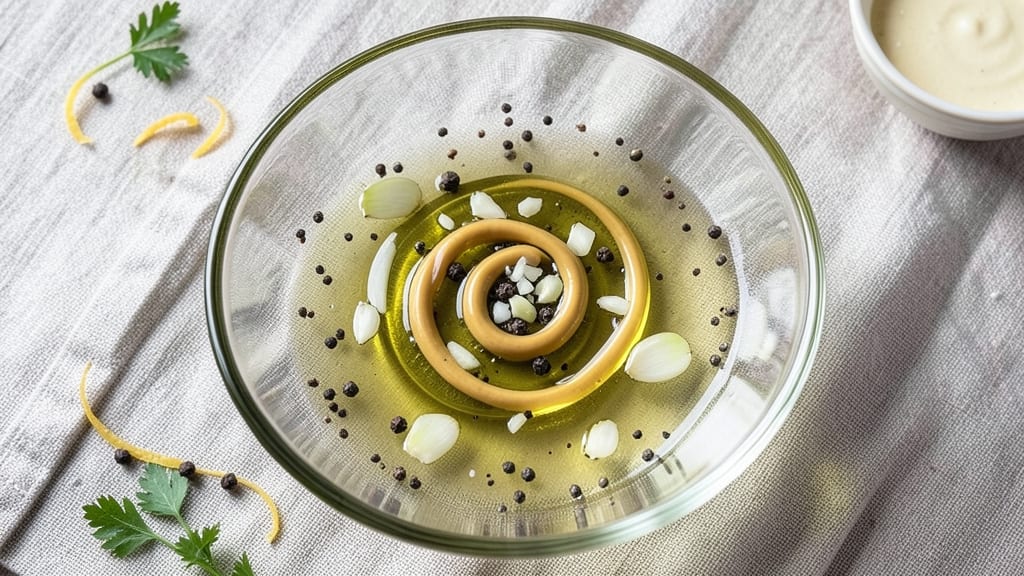
This classic oil and vinegar salad dressing recipe delivers the perfect balance of bright acidity and rich, velvety texture in just minutes. The foundation is simple—a precise 3:1 ratio of high-quality olive oil to white vinegar—but it’s the optional flavor variations that make it truly customizable.
Whether you prefer a bold herb twist or a subtle mustard kick, this dressing elevates every salad, grain bowl, or grilled protein with restaurant-quality depth.
The secret lies in the emulsification process, where whisking vigorously (or shaking in a jar) creates a silky, clingy texture that clings to greens and proteins without separating.
I’ve perfected this method over years of testing, ensuring the dressing stays stable for up to a week in the fridge—no refrigeration required if you’ll use it within a few days. The result? A dressing that’s as versatile as it is foolproof, transforming simple ingredients into something extraordinary.
What sets this recipe apart is its adaptability. Start with the classic ratio, then layer in flavors like Dijon mustard for tang, fresh herbs for brightness, or a touch of honey for balance.
The dressing works equally well drizzled over mixed greens, tossed with roasted vegetables, or paired with grilled chicken. It’s the kind of condiment that turns ordinary meals into something memorable with minimal effort.
For best results, store in an airtight container and shake before each use to maintain that signature smoothness. Leftovers keep for up to 7 days, making it ideal for meal prep.
Whether you’re dressing up a simple lunch or adding flair to a dinner spread, this dressing is your go-to for effortless, restaurant-worthy flavor.
Ingredients for classic oil and vinegar salad dressing
Eight simple ingredients for a dressing that’s bright, tangy, and restaurant-worthy.
| Ingredient | Amount | Notes |
|---|---|---|
| Extra-Virgin Olive Oil 🫒 | ¾ cup | High-quality, fruity, cold-pressed |
| White Vinegar 🍶 | ¼ cup | Distilled or apple cider vinegar |
| Dijon Mustard 🌶️ | 1 tbsp | Mild or strong, depending on taste |
| Fresh Garlic Cloves 🧄 | 1 whole | Minced for flavor depth |
| Sea Salt 🧂 | ½ tsp | Fine grain preferred |
| Black Peppercorns 🌶️ | ¼ tsp | Freshly ground for best flavor |
| Fresh Parsley Leaves 🌿 | 2 tbsp | Chopped, optional for brightness |
| Maple Syrup 🍯 | 1 tsp | For subtle sweetness balance |
The olive oil is non-negotiable here—extra-virgin with fruity notes makes all the difference. Trader Joe’s or Whole Foods carry excellent options, but any good-quality oil will work. Vinegar choice matters too: distilled is neutral, while apple cider adds subtle fruitiness. Fresh garlic and parsley? Grab them from the store’s produce section—they’re fresher than the pre-chopped bags. For the mustard, Maille or Whole Foods 365 are solid picks, but any Dijon will do. Pro tip: buy garlic in bulk and freeze it—it keeps for months and stays fresher longer.
No Dijon mustard? Yellow mustard at half the amount works in a pinch. Short on parsley? Fresh dill or basil adds a different but equally bright flavor. Vinegar substitute? Lemon juice at the same quantity, though it’ll be slightly sweeter. The maple syrup can be swapped for agave or honey(if not vegan)—just use half the amount. For a smoky twist, add 1/4 tsp smoked paprika. And if you’re making this for a crowd, double the batch—it keeps perfectly for a week.
This dressing stays smooth for up to 7 days in the fridge, but it’s best used within 3-4 days for peak freshness. Store in an airtight jar or bottle, and shake well before each use—the oil and vinegar naturally separate. For meal prep, make a big batch and portion it into small jars so you always have dressing ready. Freezing isn’t recommended, as it can alter the texture, but if you must, use it within 1 month for best results.
Why You'll Love This Recipe
- Five-Ingredient Magic: I swear, this is the dressing that proves you don’t need a degree in chemistry to make something taste like a Michelin-starred chef’s secret. Just oil, vinegar, mustard, garlic, and salt—no fancy gadgets, no stress, no second-guessing. The kind of recipe that makes me feel like a genius every time I pour it over greens.
- Garlic Kiss: That raw garlic clove minced right into the oil? It’s the secret weapon—bright, punchy, and lingering in the best way. The Dijon mustard ties it all together with a little tang, so you’re not left with just vinegar’s harsh bite. Honestly, I’ll take this over any store-bought dressing when I want real flavor, not just "salad dressing" flavor.
- Pantry Staple Power: This stuff doesn’t just work for salads—it’s my go-to for drizzling over roasted veggies, grilled chicken, or even a bowl of pasta. And the best part? It keeps for weeks in the fridge, so I’m never scrambling to make something last-minute. Between us, I’ve used the last bits of this to revive sad takeout leftovers. (Don’t judge.)
- Budget-Friendly Flex: You’re paying for quality olive oil and that’s it—no weird additives or overpriced bottles. A little goes a long way, so I’m not breaking the bank, but I’m still getting a dressing that tastes like I spent hours perfecting it. Plus, if I mess up the ratio, I can just tweak it next time. Not the prettiest, but the taste makes up for it every time.
Step-by-step instructions for classic oil and vinegar salad dressing
Here's how to make the perfect balance of tangy, rich, and slightly sweet dressing in minutes.
Mince the Garlic and Prepare the Mustard
Start by peeling the 1 whole fresh garlic clove and mincing it finely with a knife or garlic press. The smaller the pieces, the more evenly the flavor will distribute. In a small bowl, combine the 1 tablespoon Dijon mustard with the minced garlic. Let this sit for 2-3 minutes while you gather the rest of your ingredients. This gives the garlic time to soften slightly and infuse the mustard with its aroma.
I like to use a small bowl for this step because it makes everything easier to whisk later. If you're using a stronger Dijon mustard, you might want to reduce the amount slightly—just remember that you can always add more later if needed. The mustard acts as an emulsifier, helping to blend the oil and vinegar perfectly.
Whisk Together the Vinegar and Seasonings
In a larger bowl or measuring cup, combine the 0.25 cup white vinegar, 0.5 teaspoon sea salt, 0.25 teaspoon black peppercorns (freshly ground), and 1 teaspoon maple syrup. Give it a quick stir to dissolve the salt and pepper completely. The vinegar should look clear with no visible salt crystals.
This is where the tangy backbone of your dressing comes together. The maple syrup adds just a touch of sweetness to balance the acidity, while the salt and pepper enhance all the flavors. If you're using apple cider vinegar, you'll notice a slightly fruity note that pairs beautifully with the olive oil.
Gradually Incorporate the Olive Oil
With a whisk, slowly drizzle in the 0.75 cup extra-virgin olive oil while continuously whisking. Start with just a few drops at first, then gradually increase the flow as the mixture begins to emulsify. This slow addition is key to preventing the oil from separating later.
You'll know you're on the right track when the dressing starts to thicken and become creamy. If it looks too thin, add a few more drops of mustard or a pinch of salt. The olive oil should coat the back of your spoon, indicating a proper emulsion. If you whisk too quickly or add the oil too fast, you might end up with a split dressing—so take your time here.
Add the Parsley and Final Adjustments
Once the oil is fully incorporated, stir in the 2 tablespoons chopped fresh parsley leaves. This adds a bright, fresh finish that cuts through the richness of the olive oil. Taste the dressing and adjust the seasoning if needed—maybe a pinch more salt or a splash of vinegar for extra tang.
The parsley is optional but highly recommended for that restaurant-quality touch. If you don't have fresh parsley, you can skip it or use a tiny pinch of dried parsley, but the flavor won't be the same. Give the dressing one final whisk to ensure everything is well combined, and let it sit for 5-10 minutes before using. This resting time allows the flavors to meld together perfectly.
Pro Tips For Making Classic Oil And Vinegar Salad Dressing
- Whisk in Stages: Start by mixing the vinegar, mustard, and minced garlic—this keeps the garlic from turning bitter. Then, slowly drizzle in the olive oil while whisking constantly. I used to pour it all at once, and it always ended up clumpy. Patience here makes a smoother dressing.
- Toast the Garlic: Heat the garlic in the dry pan for 30 seconds until fragrant but not browned—this deepens the flavor without bitterness. Skip this, and your dressing will taste flat. (Yes, even if you’re impatient like me.)
- Salt the Mustard: Season the Dijon mustard with salt before mixing it with vinegar—it dissolves better and balances the acidity upfront. I learned this the hard way after tasting a dressing where the salt clumped at the bottom of the jar.
- Shake Before Serving: Oil and vinegar separate no matter what. Give the jar a good shake right before pouring—this ensures every bite has that bright, balanced flavor. (Pro tip: Use a smaller jar; it mixes faster.)
Creative variations of this recipe
Herb-Infused Twists
Swap the parsley for fresh tarragon or thyme to add an aromatic depth that pairs beautifully with grilled fish or roasted vegetables. For a Mediterranean vibe, blend 1 tablespoon chopped fresh basil and 1 teaspoon dried oregano into the dressing—it’s perfect for caprese salads or bruschetta.
I love using chopped chives for a milder, oniony note that works well with creamy avocado dishes. 🌿
Spicy & Smoky Variations
Add ½ teaspoon red pepper flakes or 1 teaspoon hot sauce (like Cholula) for a kick that brightens up hearty salads or tacos. For a smoky twist, stir in ½ teaspoon smoked paprika or a dash of liquid smoke—this version is amazing with BBQ chicken or grilled corn.
I also like adding ½ teaspoon grated ginger for a zesty, warming touch that cuts through richness. 🌶️
Sweet & Tangy Balances
Swap the maple syrup for 1 teaspoon honey (if not vegan) or agave nectar to enhance the sweetness. For a tropical twist, add ½ teaspoon grated lime zest and 1 teaspoon lime juice—this version is perfect for seafood salads or summer rolls.
A pinch of ground cinnamon or cardamom adds warmth, making it ideal for fall dishes like roasted squash bowls. 🍯
Global Flavor Profiles
Transform this dressing into a French-inspired vinaigrette by adding 1 teaspoon Dijon mustard and ½ teaspoon dried tarragon, then drizzle over goat cheese salads. For an Italian touch, stir in 1 teaspoon dried basil and ½ teaspoon garlic powder—it’s fantastic with pesto pasta or grilled veggies.
A Japanese-inspired version uses 1 teaspoon rice vinegar (instead of white vinegar) and ½ teaspoon sesame oil, perfect for sushi bowls or cucumber salads. 🗺️
Savory & Umami Boosters
Add 1 teaspoon soy sauce or 1 teaspoon miso paste for an umami depth that elevates Asian-inspired dishes like rice bowls or noodle salads. A splash of fish sauce (just ½ teaspoon) adds a salty, funky note that works well with shrimp or grilled meats.
For a nutty crunch, stir in 1 teaspoon toasted sesame seeds or chopped walnuts—these add texture while enhancing the dressing’s richness. 🌰
Seasonal Adaptations
In summer, brighten the dressing with fresh cilantro and lime juice for a citrusy kick that pairs perfectly with gazpacho or grilled shrimp. For fall, add 1 teaspoon apple cider vinegar and ½ teaspoon cinnamon—this version is ideal for roasted butternut squash salads.
In winter, a roasted garlic twist (using 2 cloves of roasted garlic) adds warmth, making it great for hearty winter greens or roasted root vegetables. ❄️
Nutrition facts
Frequently asked questions
Why does my oil and vinegar dressing separate?
This happens when the emulsion breaks, usually from adding oil too quickly or not whisking enough. The mustard acts as a natural emulsifier—whisk slowly while drizzling oil, and avoid overmixing after it's fully combined. For extra stability, add 1/2 teaspoon xanthan gum (a pinch) to the vinegar mixture before whisking.
Can I make this dressing without mustard?
Yes! For a vegan-friendly version, replace the mustard with 1 teaspoon ground flaxseed mixed with 1 tablespoon water (let it thicken for 5 minutes). Alternatively, use 1/2 teaspoon arrowroot powder dissolved in the vinegar. The texture will be slightly thicker but still stable when whisked properly.
How long does this dressing last without refrigeration?
If stored in an airtight container, this dressing stays fresh for 3-4 days at room temperature. The vinegar's acidity acts as a natural preservative, but for maximum freshness, refrigerate. Always shake before using—separation is normal and easily fixed by whisking or shaking vigorously for 10-15 seconds.
What's the best vinegar for this recipe?
White vinegar is the classic choice for its neutral tang, but apple cider vinegar adds subtle fruitiness. For bold flavor, try balsamic vinegar (reduce the amount to 1/4 cup and add 1 teaspoon honey to balance). Avoid red wine vinegar—it's too strong and can overpower the delicate balance.
Can I use this dressing on hot foods?
Drizzle it over grilled chicken, roasted vegetables, or pasta right before serving. The acidity cuts through richness, while the oil adds moisture. For extra flavor, let the dressing sit on the hot food for 1-2 minutes before mixing—this allows the ingredients to meld together beautifully.