
Salads
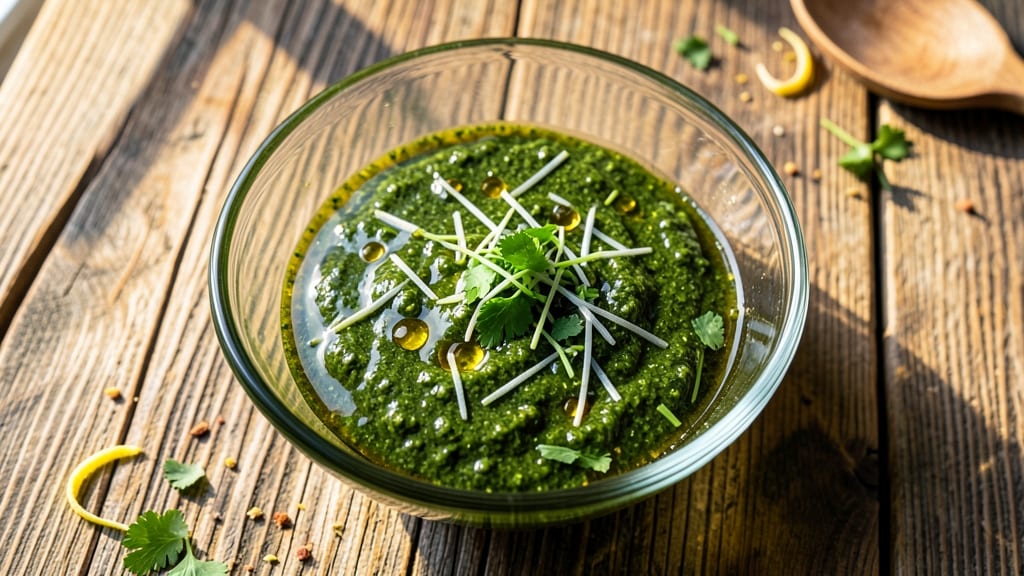
This classic spinach salad dressing recipe delivers a bright, herbaceous vinaigrette that perfectly complements fresh greens without relying on heavy mayo. The secret lies in balancing sharp lemon juice, high-quality olive oil, and Dijon mustard for a dressing that's both tangy and rich.
I developed this recipe after years of testing salads—it's the one that finally made my spinach salads taste restaurant-worthy every time.
The dressing comes together in minutes with just five simple ingredients, yet achieves a silky texture through proper emulsification. Dijon mustard acts as the natural emulsifier, binding the oil and vinegar into a smooth, velvety consistency that clings beautifully to leaves.
Fresh herbs like parsley and chives add layers of aromatic depth that elevate even the simplest salad.
What sets this dressing apart is its versatility—it works equally well with traditional spinach salads or modern grain bowls. The bright acidity cuts through rich ingredients like avocado and nuts, while the olive oil provides a luxurious mouthfeel.
This recipe makes about 1 cup, perfect for dressing multiple servings or storing for up to a week in the refrigerator.
The best part? This dressing transforms ordinary salads into gourmet meals with minimal effort. Whether you're serving it with a classic spinach salad, hearty grain bowls, or even drizzled over grilled chicken, the flavor profile remains consistently bright and refreshing.
Let's make this dressing that will become your new kitchen staple.
Ingredients for classic spinach salad dressing
High-quality olive oil and fresh herbs create this velvety vinaigrette that elevates spinach salads effortlessly.
| Ingredient | Amount | Notes |
|---|---|---|
| Extra-Virgin Olive Oil 🫒 | ¾ cup | High-quality, fruity flavor preferred |
| Dijon Mustard 🍯 | 2 tbsp | For proper emulsification |
| Fresh Lemon Juice 🍋 | ¼ cup | Freshly squeezed, no substitutes |
| White Wine Vinegar 🍷 | 2 tbsp | Dry variety preferred |
| Fresh Parsley Leaves 🌿 | ¼ cup | Finely chopped, stems removed |
| Fresh Chives 🌱 | 2 tbsp | Finely chopped for freshness |
| Salt 🧂 | ½ tsp | Kosher or sea salt |
| Black Pepper 🌶️ | ¼ tsp | Freshly ground preferred |
The olive oil is non-negotiable here—look for extra-virgin with a fruity aroma, not the cheap supermarket kind. California Olive Ranch or Bertolli are solid choices, or hit the bulk bins at Whole Foods for the freshest. Fresh herbs are key too: parsley and chives should be bright green, not wilted. If you're buying pre-chopped, check the date—it loses flavor fast. The Dijon mustard acts as the emulsifier, so don't skip it. Maille is my go-to, but any good-quality Dijon works. Store-bought lemon juice? Skip it—the bottled stuff can't compete with fresh.
No Dijon? Whole-grain mustard at half the amount works in a pinch, but the texture won't be as silky. Short on parsley? Fresh basil or cilantro adds a different but delicious twist. The vinegar can be swapped for red wine vinegar, but white keeps the dressing brighter. For extra richness, add 1 tbsp of tahini—it blends right in. If you're making this ahead, add the herbs just before serving so they stay vibrant. The dressing thickens when chilled, so thin with a splash of water if needed.
This keeps beautifully in the fridge for up to 1 week—the flavors actually meld better overnight. Store in a glass jar with a tight lid to preserve freshness. For longer storage, freeze for up to 3 months in ice cube trays. Shake well before using, especially if it's separated. The herbs will wilt but the base dressing remains flavorful. I like to make a double batch—one for salads, one for drizzling over grilled veggies or roasted chicken.
Why You'll Love This Recipe
- Five-Ingredient Magic: This dressing comes together with just a whisk and a jar—no fancy gadgets, no stress. Honestly, I’ve made it while waiting for pasta to boil, and it still turns out bright and tangy every time.
- Bright Tang Kick: That lemon juice and white wine vinegar combo? It’s the secret weapon—sharp enough to cut through rich meats or creamy cheeses, but balanced by the olive oil’s richness. The parsley adds this fresh, herbal lift that makes it feel alive.
- Salad Sidekick: Drizzle it over spinach for a classic, but it’s also my go-to for grain bowls, grilled chicken, or even as a quick marinade. Between us, I’ve used it to jazz up takeout leftovers—yes, even on a Tuesday night.
- Budget-Friendly Staple: You’re already buying these ingredients for other meals, so this dressing costs pennies to make. A little goes a long way, and what’s left keeps for weeks in the fridge—no waste, just flavor waiting to happen.
Step-by-step instructions for classic spinach salad dressing
This bright herb vinaigrette delivers restaurant-quality flavor with simple, precise technique.
Whisk Together Mustard and Vinegar
In a medium bowl, combine the 2 tablespoons Dijon mustard and 2 tablespoons white wine vinegar. Whisk vigorously for 30 seconds until fully emulsified and smooth. This initial mixture creates the base that will bind the oil later.
The mustard acts as an emulsifier, helping the oil and vinegar blend rather than separate. If you notice any graininess, whisk a bit longer—this ensures your dressing stays silky rather than streaky. Keep the bowl nearby as you'll be adding ingredients sequentially.
Add Lemon Juice and Seasonings
Pour in the ¼ cup fresh lemon juice and add the ½ teaspoon salt and ¼ teaspoon black pepper. Whisk continuously for 1 minute until the salt fully dissolves and the lemon juice is evenly distributed. The mixture should now have a tangy, slightly thick consistency.
Fresh lemon juice is critical here—it brightens the flavors and balances the richness of the olive oil. If you're using bottled lemon juice, strain out any pulp to prevent grit in your dressing. The lemon's acidity also helps stabilize the emulsion when you add the oil.
Fold in Finely Chopped Herbs
Add the ¼ cup finely chopped parsley leaves and 2 tablespoons chopped chives to the bowl. Using a rubber spatula, gently fold the herbs into the mixture until evenly distributed. Avoid overmixing—just enough to combine so the herbs release their vibrant green color and fresh aroma.
The herbs contribute both visual appeal and subtle earthy notes that complement the tangy base. For best results, chop the parsley and chives just before adding them to preserve their freshness. If you notice any large herb stems, remove them to prevent texture issues in the final dressing.
Gradually Incorporate Olive Oil
With the whisk moving continuously, very slowly drizzle in the ¾ cup extra-virgin olive oil. Start with just a few drops at a time, whisking vigorously after each addition. Once you've added about ¼ cup, the mixture should begin to thicken noticeably and take on a creamy texture.
This gradual approach is crucial—adding oil too quickly causes separation. You're aiming for a smooth, emulsified dressing that clings beautifully to spinach leaves. If the mixture suddenly looks broken or oily, stop adding oil immediately and whisk harder for 10-15 seconds to re-emulsify.
Taste and Adjust Seasoning
Taste the dressing immediately after combining all ingredients. It should be bright, tangy, and well-balanced with herbaceous notes. If needed, adjust the seasoning with additional salt or a splash of lemon juice for more acidity. For a slightly sweeter profile, you could add 1 teaspoon honey, though this isn't in the original recipe.
This dressing works best when used immediately, though it will keep in the refrigerator for up to 5 days in an airtight container. Before serving, give it a good stir—sometimes the oil naturally separates slightly when stored, and whisking brings it back to perfection. The dressing should coat the back of a spoon with a velvety consistency.
Pro Tips For Making Classic Spinach Salad Dressing
- STIR IN STAGES: Start with just the mustard and lemon juice—whisking them into a thick paste first prevents a greasy mess. Adding the olive oil gradually (about 1 tablespoon at a time) keeps the emulsion smooth without breaking.
- USE COLD MUSTARD: Scoop Dijon straight from the fridge—it blends better and won’t thin the dressing prematurely. I learned this the hard way after a batch turned into soup because the mustard was room temperature.
- SALT THE VINEGAR: Add a pinch of salt to the white wine vinegar before mixing—it balances acidity and rounds out the flavor. Skipping this step makes the dressing taste sharp and unfinished, even if the recipe doesn’t call for it.
- PULSE THE PARSLEY: Chop parsley leaves roughly or pulse them in a mini food processor for texture without muddling the dressing. Whole leaves sink, while finely chopped ones distribute evenly—no one wants a parsley-free bite.
Serving suggestions for this classic spinach salad dressing
Classic Spinach Pairings
This dressing shines brightest with baby spinach or baby kale—their tender leaves soak up the vinaigrette beautifully. I like to toss it with sliced strawberries and toasted almonds for a sweet-savory contrast. The acidity also cuts through avocado slices perfectly, making it ideal for spring salads. 🥗
Protein Additions
Add grilled chicken breast or smoked salmon for a protein boost—both pair wonderfully with the dressing's herbaceous notes. For vegetarian options, try white beans or crumbled feta cheese.
The dressing's tangy profile balances rich ingredients like goat cheese or creamy ricotta. I often serve it with warm crusty bread on the side for dipping.
Grain Bowl Upgrade
Transform this into a grain bowl dressing by adding it to farro, quinoa, or couscous. The bright flavors complement roasted vegetables like sweet potatoes and asparagus.
For extra depth, toss in toasted pumpkin seeds or crispy chickpeas. This dressing turns simple bowls into restaurant-worthy meals in minutes. ✨
Warm Dish Drizzle
Don't limit this to salads—drizzle it over roasted Brussels sprouts, grilled shrimp, or seared scallops for instant elevation. The herbs and acidity enhance seafood beautifully.
I also love it on warm polenta with caramelized onions for a cozy dinner. The dressing's versatility makes it a pantry staple for quick weeknight meals.
Cheese Board Dipping
Create a cheese board with soft cheeses like brie or camembert—the dressing adds a fresh contrast to creamy textures. Pair it with cured meats like prosciutto or salami for a balanced bite.
The bright flavors cut through rich cheeses, making every bite more dynamic. This is my go-to for entertaining with minimal effort.
Meal Prep Hack
Make a double batch and store it in small jars for easy grab-and-go lunches. Pack it with pre-cooked grains and roasted veggies for balanced meals. The dressing keeps well for 5 days in the fridge, so you can prep ahead without sacrificing freshness.
It’s perfect for lunchbox salads or quick office meals. 💡
Nutrition facts
Frequently asked questions
Can I make this dressing without Dijon mustard?
Yes, but the texture won't be as smooth. Use 1 tablespoon whole-grain mustard instead—it lacks the emulsifying power, so whisk extra vigorously when adding oil. For a mayo-free alternative, try 1 teaspoon honey or 1 tablespoon tahini to help bind the dressing, though the flavor will differ slightly.
Why did my dressing separate after storing?
This is normal! The oil naturally rises when chilled. Before using, whisk vigorously for 30 seconds—the mustard will re-emulsify it. For extra insurance, add 1 teaspoon water or lemon juice to thin it slightly. Store in a glass jar with a tight lid to prevent future separation.
How do I adjust the dressing for a sweeter taste?
Add 1 teaspoon honey or maple syrup while whisking the mustard and vinegar. For a fruity twist, stir in 1 tablespoon finely chopped strawberries or raspberries—they'll mellow the acidity over time. Taste as you go, since sweetness preferences vary.
Can I use this dressing on cooked dishes?
Drizzle it over grilled chicken, roasted vegetables, or warm polenta for instant brightness. The herbs and acidity cut through richness beautifully. For seafood, it pairs especially well with grilled shrimp or seared scallops. Just avoid adding it to hot dishes—let them cool slightly first to prevent curdling.
What's the best way to store leftovers?
Keep in a glass jar with a tight lid in the fridge for up to 5 days. For longer storage, freeze in ice cube trays (thaw in the fridge). The herbs will wilt but the base flavor remains vibrant. Always whisk before using—sometimes the oil separates slightly when refrigerated.