
Salads
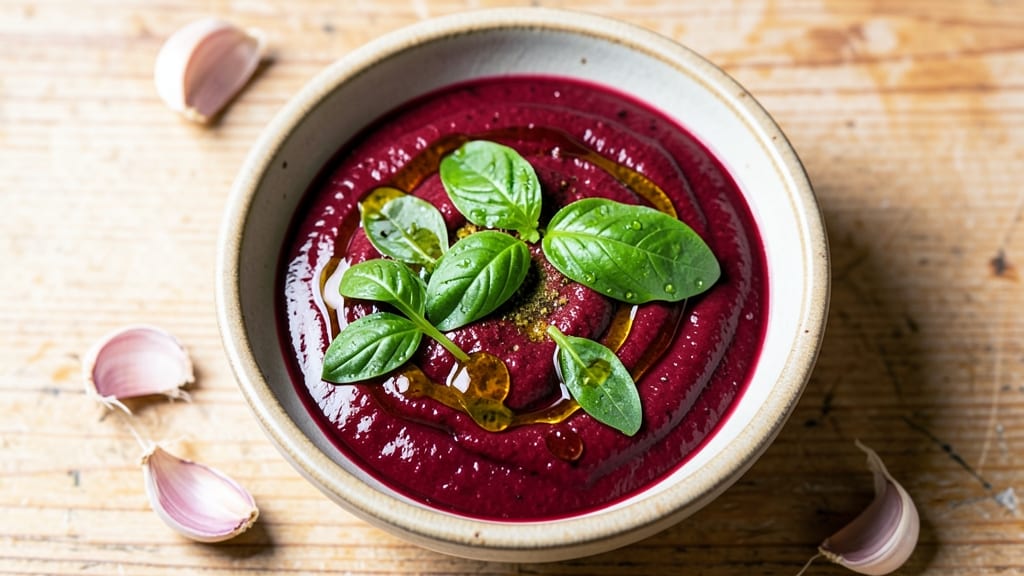
This Chianti salad dressing recipe transforms simple greens into a restaurant-worthy meal with just five ingredients and 10 minutes of prep. The secret lies in reducing Chianti wine with vinegar and olive oil, creating a rich, tangy base that's brightened with fresh herbs—no cooking required.
What starts as a basic vinaigrette deepens into something complex and savory, with layers of umami from the wine and herbal freshness that cuts through rich dishes.
The beauty of this dressing is its versatility—it elevates everything from arugula salads to grilled chicken or roasted vegetables, all while keeping prep effortless. Unlike store-bought versions, this recipe uses real Chianti wine for depth, fresh basil for brightness, and a touch of Dijon mustard for subtle heat.
The result is a dressing that's bold enough to stand up to hearty ingredients but delicate enough to let the natural flavors shine through.
What you'll end up with is a velvety, herb-infused dressing that clings beautifully to greens, meats, or grains without overpowering them. The wine reduces into a syrupy consistency that adds body, while the herbs remain vibrant and fresh.
This isn't just dressing—it's a flavor booster that turns ordinary meals into something special, all while staying true to Italian tradition.
Make a double batch and store it in the fridge for up to a week, where the flavors will only deepen over time. Perfect for meal prep or spontaneous dinners, this dressing proves that homemade can taste better than anything you'll find in a bottle. Let's get started!
Ingredients for chianti salad dressing
Five ingredients transform into a restaurant-quality dressing that's bold, tangy, and herb-forward.
| Ingredient | Amount | Notes |
|---|---|---|
| Chianti Wine 🍷 | ½ cup | Dry red wine, not sweet |
| Extra-Virgin Olive Oil 🫒 | ½ cup | High quality, fruity |
| Red Wine Vinegar 🍶 | 2 tbsp | For tangy brightness |
| Fresh Basil Leaves 🌿 | ¼ cup | Packed, stems removed |
| Dijon Mustard 🌶️ | 1 tbsp | Mild heat, smooth texture |
| Garlic Cloves 🧄 | 2 cloves | Peeled, minced |
| Sea Salt 🧂 | ½ tsp | Fine grain preferred |
| Black Pepper 🌶️ | ¼ tsp | Freshly ground |
The Chianti wine is what elevates this from a basic vinaigrette. Look for a dry, bold variety—think Chianti Classico or Sangiovese—at your local wine shop or grocery store's liquor section. Trader Joe's and Total Wine often have affordable Italian options. Fresh basil matters too—avoid the wilted grocery store containers and grab a small bunch instead. The garlic should be fresh and vibrant, not dried or powdered. For the olive oil, extra-virgin with a fruity finish is non-negotiable; it's the dressing's backbone.
No Chianti wine? Dry red wine like Cabernet Sauvignon or Merlot works in a pinch, but the flavor will be less complex. Short on fresh basil? Dried basil at one-third the amount gets you close, though fresh is ideal. The Dijon mustard adds depth—no mustard? A dash of lemon juice brightens things up. For extra richness, swap half the olive oil for walnut oil. The garlic can be roasted for a sweeter note if you prefer. Always taste before serving; adjust salt and pepper to your preference—this dressing should be bold but balanced.
This dressing keeps beautifully in the fridge for up to 1 week, with flavors deepening over time. Store it in an airtight jar with a layer of olive oil on top to preserve freshness. For meal prep, double the batch—it's perfect over salads, grilled meats, or roasted vegetables. If it thickens, whisk in a splash of water or lemon juice. The reduced wine base makes it stable, so no separation occurs. Use within a week for peak flavor, but it's still delicious beyond that.
Why You'll Love This Recipe
- Five-Ingredient Magic: I swear, this is the kind of dressing where you measure, stir, and boom—it’s done. No peeling garlic cloves, no fancy techniques, just Chianti wine and olive oil doing their thing while you chop a handful of basil.
- Taste Like a Sunday: That first tangy bite? The wine vinegar and Dijon mustard cut through the richness of the olive oil, while the basil keeps it bright and alive. It’s the kind of flavor that makes you pause mid-bite—wait, is this really just salad dressing?
- Weeknight to Fancy: Slather it on a simple caprese salad for a Tuesday night, or drizzle it over grilled chicken for a dinner party. Honestly, I’ve used it on everything from roasted Brussels sprouts to crusty bread, and it never lets me down.
- Leftovers That Won’t Let You Down: Make a big batch—it keeps for a solid week in the fridge—and the flavor actually improves with time. I’ll be real: I’ve been known to use the last drops on scrambled eggs or even as a marinade. Versatile? Absolutely.
Step-by-step instructions for Chianti salad dressing
This Italian-inspired dressing comes together in minutes with bold flavors that elevate any salad.
Whisk Together the Base Ingredients
In a medium bowl, combine the 0.5 cup Chianti Wine and 2 tbsp Red Wine Vinegar. I like to use a whisk for this step to ensure the wine and vinegar fully integrate before adding the heavier ingredients. The acidity from the vinegar will brighten the wine's rich, fruity notes—this is the foundation of your dressing's balance.
Next, add the 1 tbsp Dijon Mustard and 0.5 tsp Sea Salt. The mustard acts as an emulsifier, helping to bind the oil later, while the salt enhances all flavors. Whisk vigorously for 30 seconds until completely smooth. You'll notice the mixture will thicken slightly as the mustard incorporates.
Incorporate the Oil and Garlic
With the whisk still in the bowl, slowly drizzle in the 0.5 cup Extra-Virgin Olive Oil while continuing to whisk. Adding the oil gradually prevents the dressing from separating. I like to whisk for another 1 minute after all the oil is incorporated to ensure a smooth, emulsified texture. The olive oil should be fully absorbed, leaving no visible streaks.
Add the 2 minced Garlic Cloves and whisk for an additional 10 seconds. The garlic should be fully distributed but not overpowering. If you're concerned about raw garlic flavor, you can lightly toast the cloves in a dry pan for 30 seconds before mincing—this mellows their intensity while preserving their aromatic qualities.
Fold in Fresh Basil and Season
Gently fold in the 0.25 cup Fresh Basil Leaves using a spatula. I prefer to keep the basil leaves relatively whole for texture, but you can finely chop them if you prefer a smoother dressing. The basil will release its vibrant green color and fresh aroma, giving the dressing its signature Italian flair. Be careful not to overmix—just enough to distribute the leaves evenly.
Finally, add the 0.25 tsp Black Pepper and give the dressing one last stir. Taste and adjust the seasoning if needed. You might need a pinch more salt or a splash of vinegar to balance the flavors. The dressing should be tangy, slightly sweet from the wine, with a peppery finish and herbal brightness from the basil.
Let It Rest and Use
Transfer the dressing to a clean jar or airtight container. Let it sit at room temperature for 10-15 minutes before using. This resting period allows the flavors to meld together and the dressing to reach its ideal consistency. If the dressing separates after resting, simply give it a good whisk or shake before using—it should come back together smoothly.
The dressing will keep in the refrigerator for up to 1 week, though I find it's best used within the first 3-4 days for peak freshness. This Chianti dressing pairs beautifully with mixed greens, arugula, or even as a marinade for grilled vegetables. The bold flavors make it perfect for hearty salads that need a little extra zing.
Pro Tips For Making Chianti Salad Dressing
- Reduce the Wine: Simmer the Chianti in a small saucepan for 3-4 minutes before mixing—this cuts the alcohol bite and deepens the flavor. I used to skip this, and the dressing always tasted sharp and underdeveloped.
- Whisk Like You Mean It: Combine the mustard and vinegar first, then slowly drizzle in the oil while whisking vigorously. The emulsion won’t hold if you’re lazy with the whisk (yes, even if you’re impatient like me).
- Pulse the Basil: Roughly chop the basil leaves and pulse them in a food processor for 2-3 seconds before adding to the dressing. This releases more aroma and keeps the texture smooth—no need for a paste, just a quick burst.
- Taste Before the Oil: Adjust the mustard-to-vinegar ratio and season with salt before adding the olive oil—it’s easier to tweak when the mixture isn’t already thick. I learned this after ruining a batch by overcorrecting later.
Common mistakes when making perfect results
Over-Reducing the Wine
One common mistake is letting the wine reduce too much before adding oil. If you simmer the Chianti wine and vinegar mixture, you'll end up with a syrupy, overly thick dressing that won't emulsify properly.
This recipe relies on raw wine reduction—just whisk the ingredients together at room temperature. The wine's natural alcohol content helps create a stable emulsion without cooking. 🌡️
Skipping the Mustard
Dijon mustard is the secret emulsifier that binds the oil and wine. Without it, your dressing will separate into oily and vinegary layers. I’ve seen people substitute with lemon juice or honey, but neither provides the same emulsifying power.
Use the full 1 tablespoon—it’s what keeps this dressing creamy and cohesive.
Using Low-Quality Olive Oil
Not all olive oils are created equal. Using a cheap, low-quality oil will make your dressing taste flat and dull. Always opt for extra-virgin olive oil with a fruity finish—brands like California Olive Ranch or Colavita are reliable choices. The oil carries the dressing’s flavor, so don’t skimp here.
Over-Mixing the Basil
When folding in the basil, it’s easy to overmix and turn the leaves into a pulp, which can make the dressing taste bitter. Gently stir just until the leaves are evenly distributed—think of it like folding in spinach for a salad.
Whole or roughly chopped leaves add the best texture and flavor. 🌿
Ignoring the Resting Time
Rushing to use the dressing immediately means missing out on its full potential. The 10-15 minute rest lets the flavors meld and the emulsion stabilize. If you skip this step, the dressing may separate or taste uneven. Patience here makes all the difference—trust me, it’s worth the wait!
Not Tasting and Adjusting
Every kitchen has different humidity and ingredient variations, so always taste your dressing before serving. You might need an extra pinch of salt, a splash of vinegar, or even a drizzle of olive oil to balance the flavors. Don’t assume the recipe is perfect as-is—adjust to your taste!
Nutrition facts
Frequently asked questions
Can I make this dressing without Chianti wine?
For a similar flavor profile, use 1/4 cup dry red wine like Cabernet Sauvignon or Merlot. If you prefer non-alcoholic options, substitute with 1/4 cup red wine vinegar plus 1 tbsp balsamic vinegar to maintain the tangy depth. The key is balancing acidity—adjust to taste after mixing.
How long will this dressing keep in the fridge?
This Chianti dressing stays fresh for up to 1 week when stored in an airtight container. For extra freshness, add a thin layer of olive oil on top before sealing. Shake or whisk before using if it separates. The flavors actually improve over time, making it perfect for meal prep!
What salads pair best with this dressing?
This bold dressing shines on arugula, kale, or mixed greens salads with grilled chicken or prosciutto. It also works beautifully with roasted vegetables like eggplant or zucchini, or as a marinade for grilled shrimp. The herbal notes complement hearty ingredients without overpowering them.
Why did my dressing separate?
Separation usually happens when oil isn't properly emulsified. Whisk vigorously when adding oil, or try adding 1 tsp honey or sugar next time to help bind the mixture. If it separates later, simply whisk or shake before using—this dressing always comes back together!
Can I make this dressing spicier?
For extra heat, add 1/4 tsp red pepper flakes or a pinch of cayenne. You can also swap half the olive oil for walnut oil, which has a natural nuttiness that pairs well with spicy flavors. Start with small amounts and adjust to taste—this dressing is already bold!