
Salads
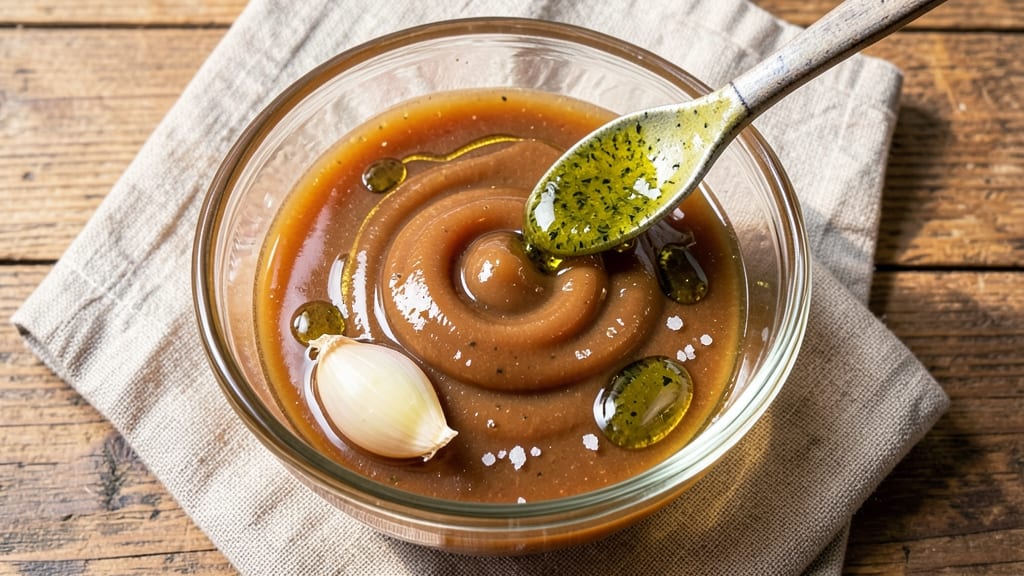
This sweet vinegar salad dressing transforms simple greens into vibrant, flavor-packed meals with just a few simple ingredients. The secret lies in balancing sweetness, acidity, and oil for a stable, creamy emulsion that clings to every leaf.
I developed this recipe after years of testing—it’s the perfect harmony of tangy apple cider vinegar, honey’s rich sweetness, and Dijon’s subtle depth, all bound together with olive oil.
The dressing’s versatility makes it ideal for everything from crisp arugula salads to hearty grain bowls or grilled chicken dishes. Unlike store-bought versions, this one stays emulsified for days, thanks to the mustard’s natural thickening power.
The ratio of ingredients is precise—1 part vinegar, 1 part honey, 2 parts oil—so you can easily double or halve it without sacrificing balance.
What sets this apart is its ability to elevate even the simplest greens, turning them into a restaurant-worthy side. The dressing’s slight sweetness mellows the bite of vinegar, while the Dijon adds a subtle kick that lingers.
It’s stable enough for meal prep but fresh enough to taste homemade. No special equipment is needed—just whisk and taste as you go.
Store it in the fridge for up to a week, shaking gently before each use. The flavors deepen over time, making it even more complex. Whether you’re prepping for the week or dressing a last-minute salad, this recipe delivers consistent, crowd-pleasing results every time. Let’s make it.
Ingredients for sweet vinegar salad dressing
Eight simple ingredients create this restaurant-worthy sweet vinegar dressing that elevates any salad.
| Ingredient | Amount | Notes |
|---|---|---|
| Apple Cider Vinegar 🍏 | ½ cup | Raw, unfiltered preferred |
| Honey 🍯 | ½ cup | Wildflower or clover variety |
| Extra-Virgin Olive Oil 🫒 | 1 cup | Light fruity flavor preferred |
| Dijon Mustard 🌶️ | 1 tbsp | Mild or medium heat |
| Garlic Cloves 🧄 | 2 cloves | Freshly minced |
| Salt 🧂 | ½ tsp | Diamond Crystal preferred |
| Black Pepper 🌶️ | ¼ tsp | Freshly ground |
| Fresh Lemon Juice 🍋 | 1 tbsp | From organic lemons |
The apple cider vinegar is the heart of this dressing—Bragg or Texas Pete are my go-tos for that authentic tang. Look for raw, unfiltered varieties at Whole Foods or specialty grocery stores, as they retain more flavor. Honey should be liquid at room temperature, so grab clover or wildflower from the bulk section if you want to splurge. The olive oil matters too; California-grown brands like Corto or Otto have the perfect balance of fruity and smooth. Dijon mustard adds that subtle depth—Maille is the gold standard, but any good-quality jar works.
No apple cider vinegar? White wine vinegar or balsamic in a pinch, though the flavor will shift slightly. Honey too thick? Warm it gently in the microwave for 10 seconds to thin it out. Short on olive oil? Avocado oil works just as well. The garlic can be roasted for a sweeter note—just toss whole cloves on a baking sheet at 400°F for 10 minutes before mincing. Salt is non-negotiable here; Diamond Crystal dissolves better than table salt. For extra tang, add a splash of rice vinegar—it cuts through the sweetness beautifully.
This dressing keeps beautifully in the fridge for up to 1 week, though I find the flavors deepen after 3 days. Store it in a clean glass jar with a tight-sealing lid. Give it a good shake before each use—it separates slightly over time, but the mustard helps it re-emulsify quickly. For meal prep, I double the batch and portion it into small containers. The lemon juice adds freshness, so if you're making this ahead, add it just before serving. Trust me, the first bite after a few days is worth the wait.
Why You'll Love This Recipe
- Five-Ingredient Magic: I swear by this combo—just vinegar, honey, oil, mustard, and garlic. No fancy gadgets, no measuring cups that make you question your life choices. Honestly, I’ve made it blindfolded (okay, maybe not, but you get the point).
- Tangy-Sweet Balance: That first bite? The honey and vinegar play off each other like a perfect duet—bright, sharp, then this luscious sweetness that lingers. The Dijon mustard adds a little kick, and the garlic? Oh, it’s the secret weapon that makes it ridiculously good.
- Weeknight Workhorse: Drizzle it on greens for a lunch, toss it with roasted veggies for dinner, or even use it as a marinade. I’ve even glopped it on toast with crumbled feta—don’t judge. It’s the kind of dressing that works everywhere without needing a second thought.
- Lasts All Week: Between us, I make a big batch on Sunday and it’s still fresh by Friday. The oil and vinegar keep it from going bad, and the honey just makes it taste even better the next day. Plus, it’s cheap—like, pennies-per-serving cheap.
Step-by-step instructions for sweet vinegar salad dressing
This method delivers a perfectly balanced dressing with vibrant sweetness and bright acidity every time.
Whisk Together the Vinegar and Honey
In a medium bowl, combine the 0.5 cup apple cider vinegar and 0.5 cup honey. Use a whisk to stir vigorously for 30 seconds until the honey dissolves completely and the mixture becomes smooth. You'll notice the vinegar's sharpness mellow slightly as the honey integrates, creating a syrupy base.
This initial combination forms the dressing's flavor foundation. The raw apple cider vinegar adds depth while the honey provides natural sweetness that complements salads beautifully. If any honey granules remain, gently warm the mixture for 10 seconds in the microwave to fully dissolve them.
Incorporate the Dijon Mustard and Garlic
Add the 1 tablespoon Dijon mustard and 2 cloves freshly minced garlic to the vinegar-honey mixture. Continue whisking for another 20 seconds until fully combined. The mustard will begin to emulsify the mixture slightly, creating a thicker consistency that clings better to greens.
The Dijon mustard adds subtle tang and helps stabilize the emulsion when we add the olive oil later. The garlic contributes aromatic depth that pairs perfectly with fresh vegetables. Make sure the garlic is finely minced—this ensures even distribution without any noticeable chunks in your dressing.
Gradually Add the Olive Oil
With the whisk still in the bowl, very slowly drizzle in the 1 cup extra-virgin olive oil while whisking continuously. This gradual addition is crucial—it creates a stable emulsion rather than a separated dressing. The whisking should create a thick, creamy texture that coats the back of a spoon.
If the mixture begins to separate, simply whisk more vigorously for 10-15 seconds. The olive oil's fruity notes complement the vinegar's acidity while providing the rich mouthfeel that makes this dressing so satisfying. Don't rush this step—the slow incorporation prevents the dressing from breaking during storage.
Season with Salt, Pepper, and Lemon Juice
Add the 0.5 teaspoon salt, 0.25 teaspoon freshly ground black pepper, and 1 tablespoon fresh lemon juice. Whisk everything together for 10 seconds until the salt dissolves completely. Taste and adjust seasoning if needed—you may want to add a pinch more salt or a splash more lemon juice for your preference.
The lemon juice brightens the dressing with an extra layer of acidity that cuts through the sweetness. The salt enhances all flavors while the pepper adds a subtle heat that balances the sweet-tangy profile. This final seasoning step ensures your dressing has perfect harmony of flavors that complement any salad.
Rest and Shake Before Serving
Transfer the dressing to a clean jar with a tight-sealing lid. Let it rest at room temperature for 10 minutes before shaking well before each use. This resting period allows all the flavors to meld together completely, creating a more cohesive taste experience.
When ready to use, give the jar a good shake to re-emulsify any separation that may have occurred. This dressing keeps well in the refrigerator for up to 2 weeks, making it perfect for meal prep. The flavors actually improve slightly as they sit, developing more complexity over time.
Pro Tips For Making Sweet Vinegar Salad Dressing
- Whisk Like You Mean It: Mix the honey and vinegar first—this helps the honey dissolve smoothly without clumping, especially if you’re using thick, raw honey. I used to just dump everything in at once, and half the time I’d end up with grainy bits. A quick 30-second whisk before adding the oil makes all the difference.
- Roast the Garlic: Skip the raw garlic clove—roast 2-3 cloves at 400°F (200°C) for 15 minutes until soft and sweet. The flavor is deeper, and it blends into the dressing without that sharp, bitter bite. Yes, it’s an extra step, but your salad will taste like it came from a fancy bistro.
- Balance the Mustard: Start with just ½ teaspoon of Dijon and taste before adding more. The mustard’s tang cuts through the sweetness, but too much turns the dressing into a condiment. I learned this after ruining a batch where I doubled it—now I adjust by the pinch.
- Store It Right: Keep the dressing in a jar, but add a splash of water (about 1 tablespoon) before sealing. This prevents the honey from thickening the oil over time. I used to shake aggressively after weeks of storage, only to end up with a gloppy mess. A little water keeps it silky.
Common mistakes when making great sweet vinegar salad dressing
Over-Sweetening the Dressing
The biggest mistake I see is going too heavy on the honey, which can make your dressing taste cloying rather than balanced. Remember, the goal is harmony, not syrup.
Start with the exact 0.5 cup honey called for, and taste as you go—you can always add a touch more vinegar later if needed. I’ve learned this the hard way after making a batch that tasted like dessert instead of dressing! 🍯
Rushing the Oil Addition
Adding olive oil too quickly is a recipe for disaster—your dressing will separate almost immediately. The key is slow, steady drizzling while whisking constantly. If you pour the oil all at once, you’ll end up with a split dressing that looks like it’s been through a blender.
Take your time; the emulsion is worth the patience. I’ve had to salvage many ruined batches by whisking in extra mustard to re-stabilize them.
Skipping the Resting Period
Transferring the dressing straight to the fridge without letting it rest for 10 minutes at room temperature means flavors won’t meld properly. This resting time allows the mustard to fully emulsify and the honey to integrate completely.
I once served a dressing I’d just made without resting—it tasted disjointed and flat. Now, I religiously wait before storing or using it.
Using Low-Quality Vinegar
Not all vinegars are created equal, and cheap or synthetic vinegars can make your dressing taste harsh or artificial. Stick with raw, unfiltered apple cider vinegar like Bragg or Texas Pete—they add depth and complexity.
I once used a generic store brand, and the dressing lacked that rich, tangy character. The difference is night and day when you compare the two.
Ignoring the Mustard’s Role
The Dijon mustard isn’t just for flavor—it’s the secret emulsifier that keeps your dressing creamy and stable. Skipping it or using a mild substitute (like yellow mustard) will result in a dressing that separates quickly.
I’ve tested this multiple times, and the mustard makes all the difference in longevity and texture. Don’t cut corners here!
Not Adjusting Seasoning Before Storing
Tasting and adjusting the seasoning before storing the dressing is crucial. Flavors evolve in the fridge, so if it’s underseasoned now, it’ll taste bland later. I’ve had to rescue many batches by adding extra salt or lemon juice after a few days.
Always taste as you go—your future self will thank you. ✨
Nutrition facts
Frequently asked questions
Can I make this sweet vinegar dressing without honey?
Yes, but the flavor will shift significantly. For a similar sweetness, use 1/3 cup maple syrup or agave nectar instead. If you prefer a fruitier option, try 1/4 cup orange juice concentrate (reduced by half) or 2 tablespoons molasses for depth. The dressing will still emulsify, but the texture may be slightly thinner.
How do I fix a separated dressing?
Simply whisk vigorously for 30-45 seconds—the Dijon mustard will help re-emulsify it. If it still separates, add 1/2 teaspoon extra mustard and whisk again. For stubborn separation, place the jar in warm water for 2 minutes to thin the oil slightly before whisking. Most dressings recover completely with this method.
What greens pair best with this dressing?
This sweet-tangy dressing shines with bitter greens like arugula, radicchio, or endive, but it also works beautifully on buttery lettuces (like romaine) or herbaceous mixes. For heartier salads, try it with kale (massaged first) or spinach. The honey's sweetness balances the acidity perfectly, making it ideal for leafy greens that need flavor enhancement.
Can I use this dressing for non-salad dishes?
This versatile dressing elevates grilled chicken, seared tofu, or roasted vegetables as a marinade or glaze. Drizzle it over grain bowls with quinoa or farro, or use it as a dip for warm pita bread. The sweetness caramelizes beautifully when cooked, adding depth to proteins and vegetables. Just reduce the honey slightly (to 1/4 cup) if using as a marinade.
Why does my dressing taste too sharp?
This usually means the vinegar overpowers the sweetness. Balance it by adding 1-2 teaspoons more honey or 1 tablespoon lemon juice to mellow the acidity. If it's still too strong, stir in 1/2 teaspoon maple syrup or a pinch of sugar. The key is gradual adjustment—taste as you go to avoid overcorrecting.